Sometimes we sit on the sofa after dinner and head out for a walk late at night. It is easy to think that is fine because we have met our daily walking target. But when it comes to post-meal blood glucose, when we walk may matter as well as how long we walk.
The same 30 minutes can instead be split into a 10-minute walk after each meal.
I would like to introduce a study that directly compared these approaches.
To give you the result first,
the study found that walking for 10 minutes after meals was better for blood glucose control.
It is a small habit that may benefit your health.

A real riverside walking path in Cambridge, USA. It illustrates the everyday idea of choosing a nearby route you can walk regularly; it is not where the study participants walked.
Source: RL0919 / Wikimedia Commons / CC BY-SA 4.0 / publicly available reduced-resolution version. Links to the original and license are in the references.
Moving after a meal helps your muscles use glucose
Carbohydrates in foods such as rice and bread are digested into glucose, which enters the bloodstream. A rise in blood glucose after eating is itself natural. The problem is that, in some people, it can remain high for a long time.
When we walk, the leg muscles contract repeatedly and take up glucose to use as energy. The American Diabetes Association explains that muscle contraction enables glucose use even independently of insulin, and that exercise can improve the body’s response to insulin.
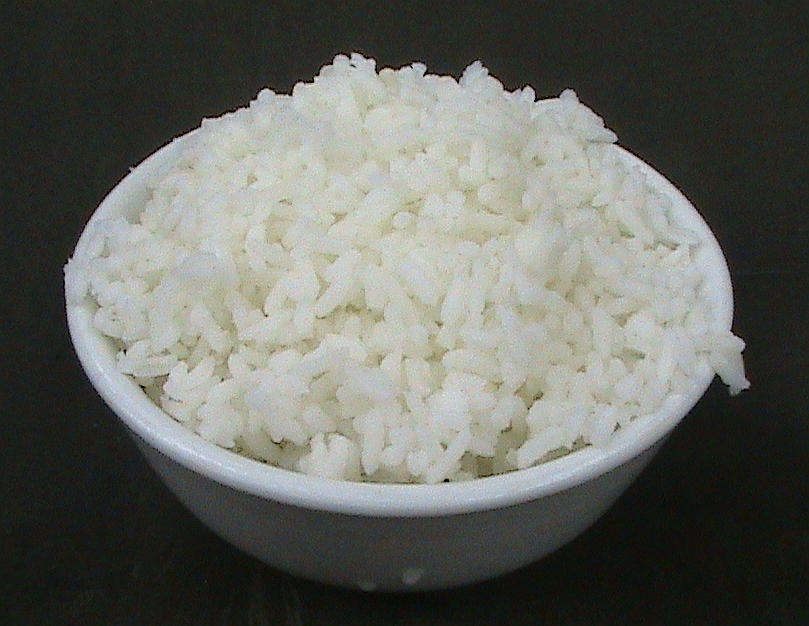
An actual photograph of cooked rice. When considering post-meal blood glucose, look at meal size and composition as well as walking. This is not a photograph of a meal provided in the study.
Source: Anna Frodesiak / Wikimedia Commons / CC0 1.0 / original image unedited. Links to the original and license are in the references.
What differed between one long walk and several shorter walks?
Let us look at the study in more detail.
In a New Zealand study published in 2016, adults with type 2 diabetes followed two walking routines for two weeks each. The order was randomized, with a break between the two periods. Forty-one people completed both routines.
One routine was a single 30-minute walk at any chosen time of day. The other was a 10-minute walk after each of breakfast, lunch, and dinner.
Here, walking after a meal meant starting within five minutes of finishing the meal.
During the period when participants were advised to divide their walking into post-meal bouts, glucose levels over the three hours after meals were lower. The difference was particularly clear after dinner. Participants consumed the most carbohydrates at dinner and also tended to be most sedentary afterward.
There are limitations to keep in mind. The study was small and short. It did not establish whether the difference in post-meal glucose would translate into better long-term diabetes control or fewer complications. Still, this is something that can be achieved through a simple change in daily habits, so I think there is no harm in trying it.
Start with a short walk after dinner
If taking on all three daily walks at once feels difficult, try adding a short walk after a meal when you would usually remain seated for a long time.
In particular, before sitting down to look at your phone after dinner, take a comfortable walk on a nearby level route.
Ten minutes was the duration used in this study. You can adjust the time to suit your situation. Rather than setting off so fast that you become breathless, start at a pace that suits your condition, and do not push yourself if your stomach feels uncomfortable.
An actual photograph of a clock, used to illustrate setting aside a short time to walk after meals. The time shown on the clock is not a recommended exercise time.
Source: Szűcs László / Wikimedia Commons / CC0 1.0 / publicly available reduced-resolution version. The original is linked in the references.
Nor does post-meal walking need to be your entire exercise routine. If you already walk regularly, keep that habit and use this approach to reduce prolonged sitting after meals instead. The priority is finding a way to keep moving consistently, whatever the time of day.
If you take glucose-lowering medication, check safety first
People who use insulin or certain glucose-lowering medicines can develop hypoglycemia during or after exercise. Learn how your glucose usually responds, and discuss ways to prevent low blood glucose with your care team when changing your post-meal activity. Do not reduce your medication on your own just because you have started walking.
One advantage of a post-meal stroll is that it is easy to give it a repeatable place in your daily routine. Even on days when it is hard to increase your total walking time, you can build a habit of moving briefly after eating. If you need to manage your blood glucose, consider not only your total daily exercise time but also how long you stay seated after meals.
A three-line summary
After eating,
head out for a walk within five minutes.
Ten minutes is enough.
Original randomized crossover trial of post-meal walking: Reynolds et al. Diabetologia, published October 17, 2016. A short-term study of post-meal blood glucose in adults with type 2 diabetes.
American Diabetes Association: Blood Glucose and Exercise: official guidance on muscle activity, the insulin response, exercise, and hypoglycemia.
Original walking-path photograph · RL0919 · CC BY-SA 4.0 · A publicly available reduced-resolution version is used. The photograph remains under the same license.

Original rice photograph · Anna Frodesiak · CC0 1.0 · Original image unedited.

Original clock photograph · Szűcs László · CC0 1.0 · A publicly available reduced-resolution version is used.

#WalkingAfterMeals #PostMealGlucose #Walking #BloodGlucoseManagement #Lifestyle #ReverseEntropy #AntiAging #ReverseAging