Weight & Metabolic Health
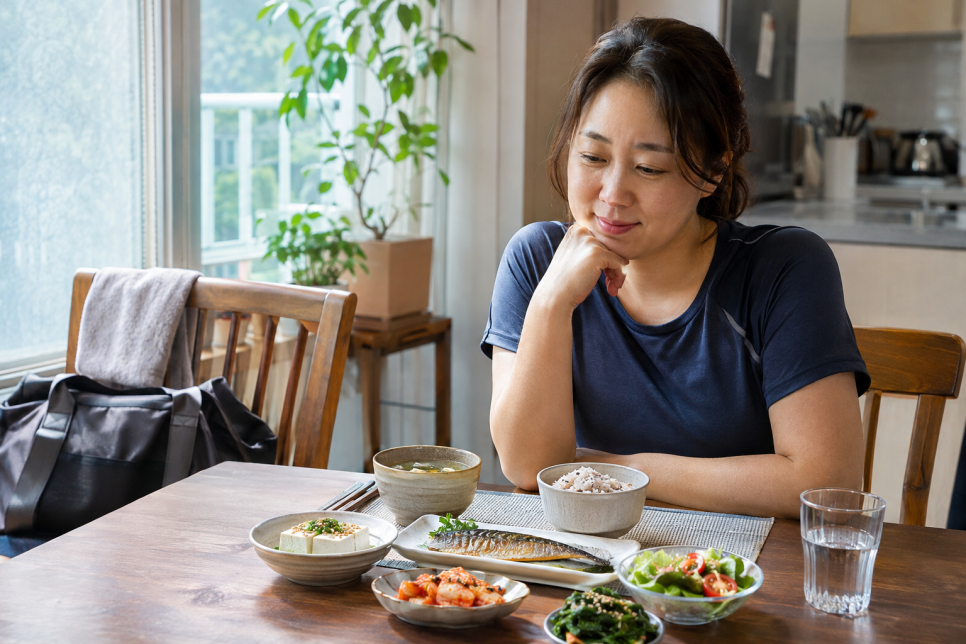
Why I Tell Patients Not to Exercise Just to Lose Weight
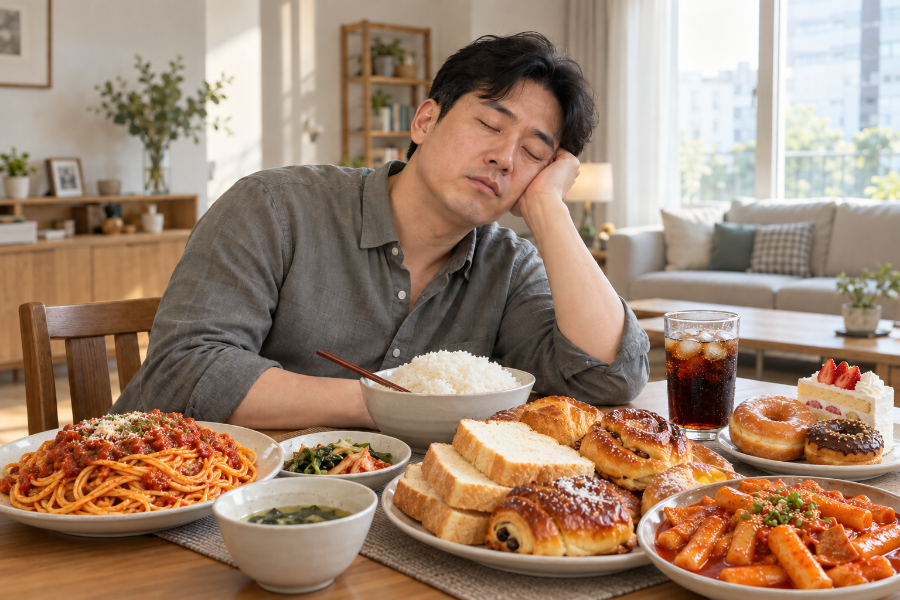
Appetite after exercise, weight-management medication, and why I prioritize strength over the number on the scale.
REVERSE ENTROPY / JOURNAL
Research, clinical experience, and the questions that connect them. Essays on skin, health, and aging by Dr. Choi Kyeong Rok.
By Choi Kyeong Rok, MD, PhD →Weight & Metabolic Health
Appetite after exercise, weight-management medication, and why I prioritize strength over the number on the scale.
Movement & Mental Health
Climbing styles, randomized trials of bouldering psychotherapy, and a practical, safer way to start a winter hobby.
Aging & Regeneration
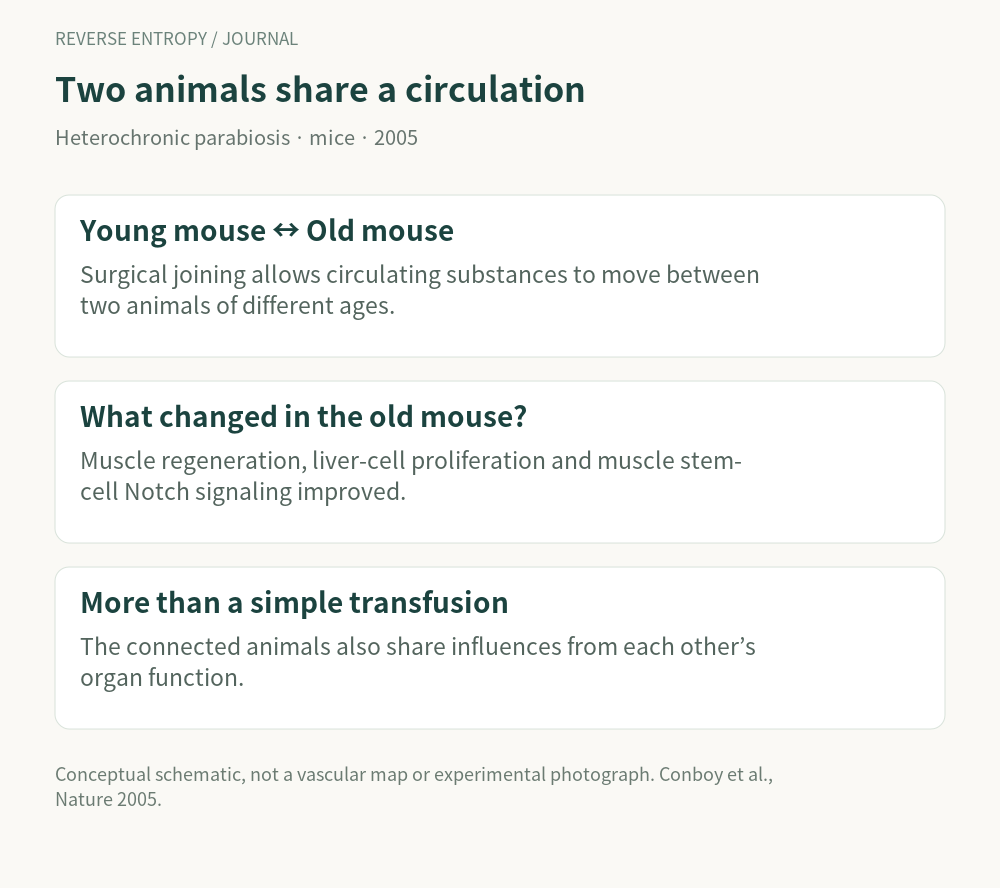
From shared circulation in mice to a human plasma-exchange trial: changing the environment around cells and tissue repair.
Skin & Aesthetics
Independent studies, low-molecular-weight peptides, and how I prioritize a skincare budget.
Health research
Large cohorts and exercise trials show why weight management after 65 should consider abdominal fat, muscle, strength, nutrition, and independence.
Hair & scalp
Two randomized trials, different side effects, and why consistency and tolerability matter when choosing oral or topical minoxidil.
Hair & exercise research
From the 2009 DHT finding to a 2025 randomized trial of actual hair, and how to assess shedding without jumping to conclusions.
Health research
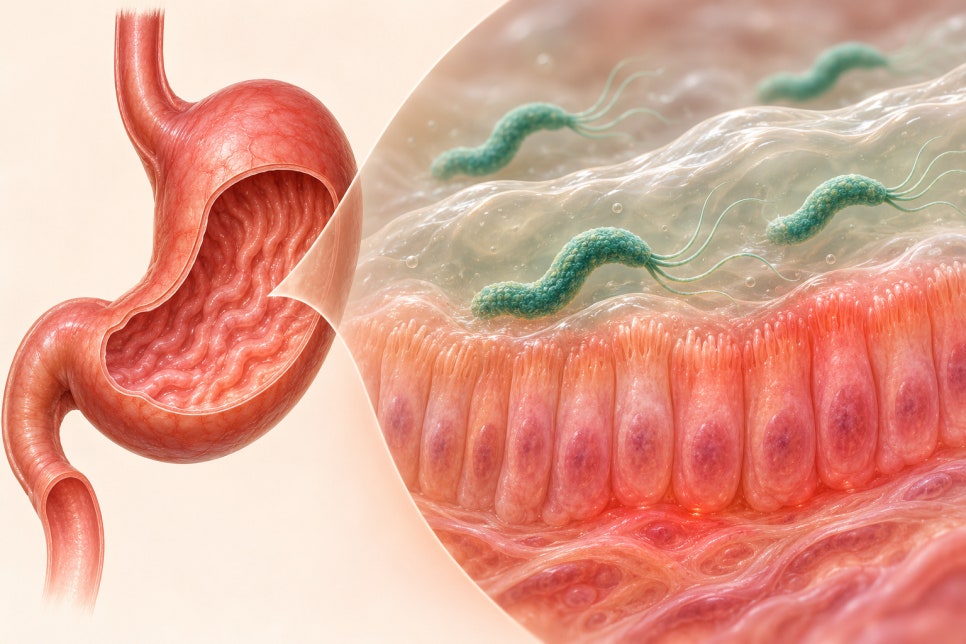
For adults with a family history of gastric cancer and confirmed H. pylori infection, evidence supports eradication—followed by a test of cure and appropriate endoscopy.
Skin & aesthetic medicine
What neutralizing-antibody studies show, why purified toxin is not an immunity guarantee, and what I examine when treatment feels less effective.
Health research
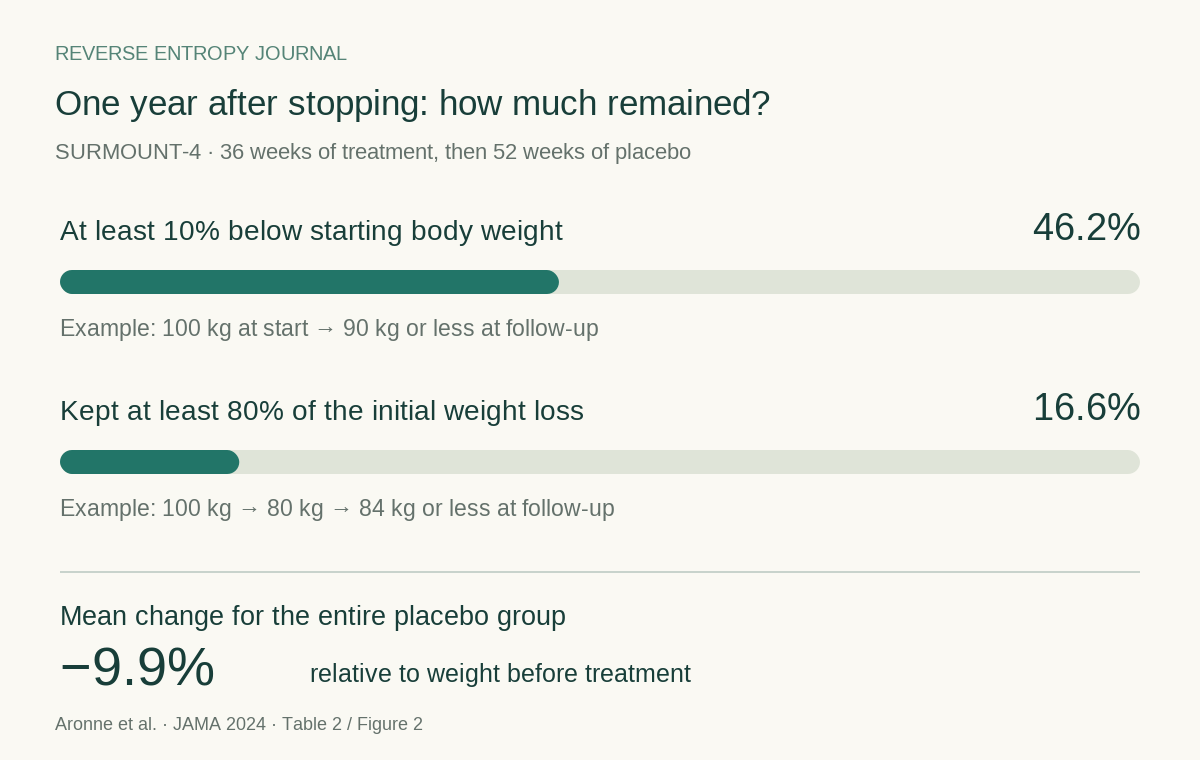
Withdrawal trials, real-world weight maintenance, and my clinical view of inherited tendencies, tapering, and preserving muscle.
Health research
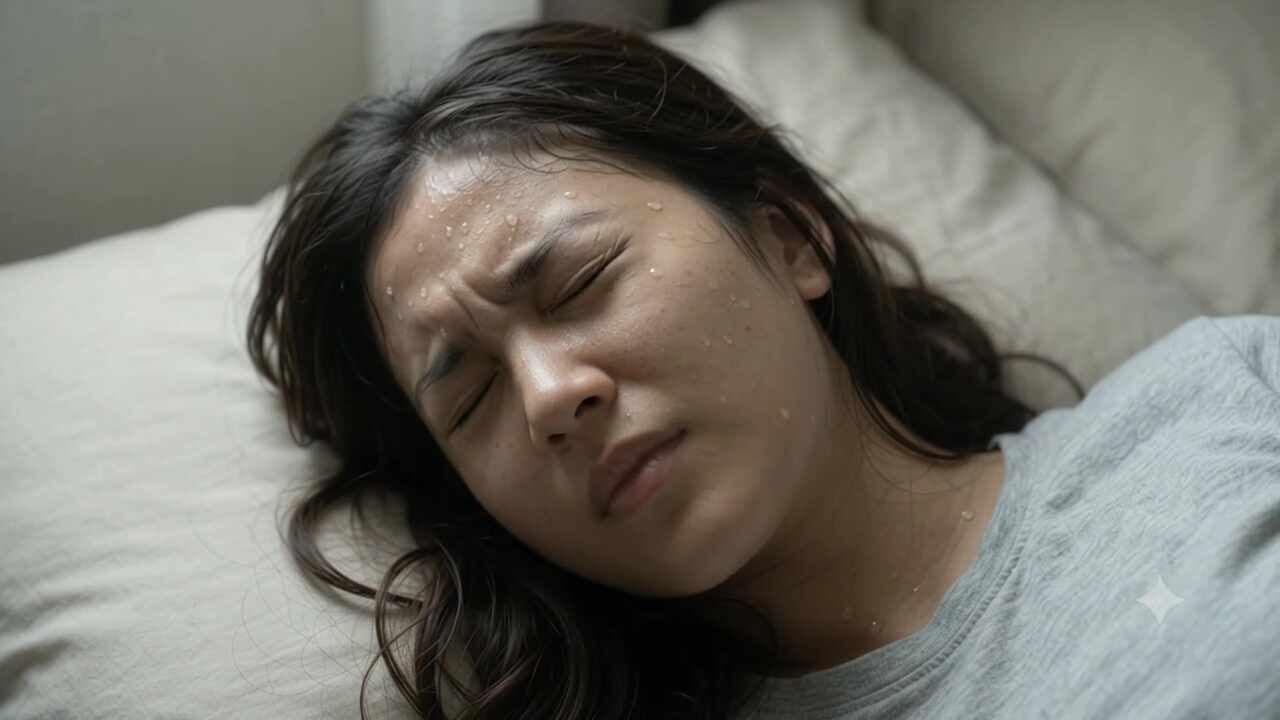
Why the rhythm and conditions of sleep matter alongside duration, from nighttime light and noise to temperature and caffeine.
Health research
The DPP trial, preventive guidelines, and why I use metformin, Wegovy, and glucose monitoring as practical tools for metabolic health.
Health research
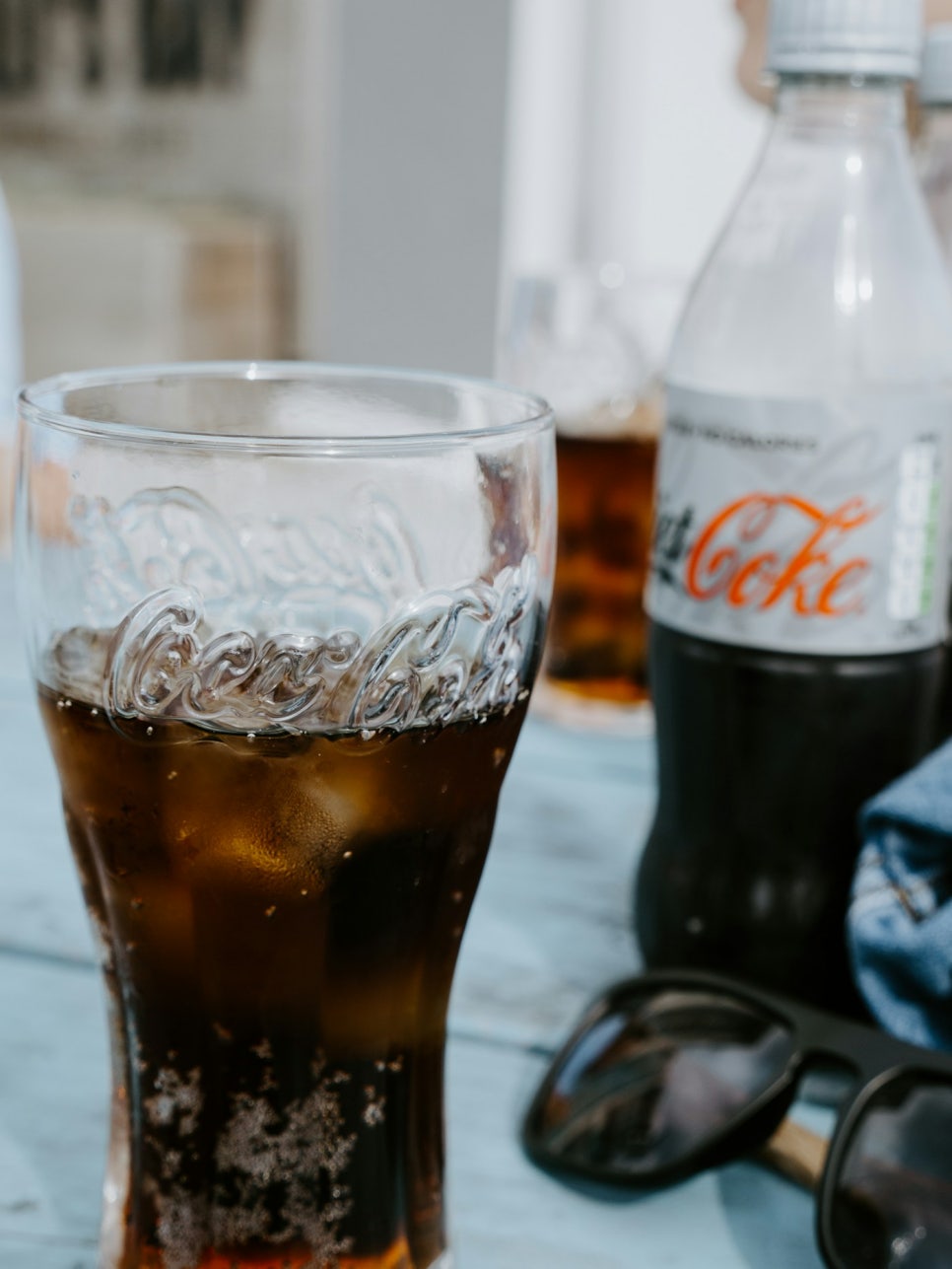
What zero-sugar drinks can and cannot do for weight management, and how to use them as a bridge away from sugary drinks.
Reverse Entropy · Reverse Aging
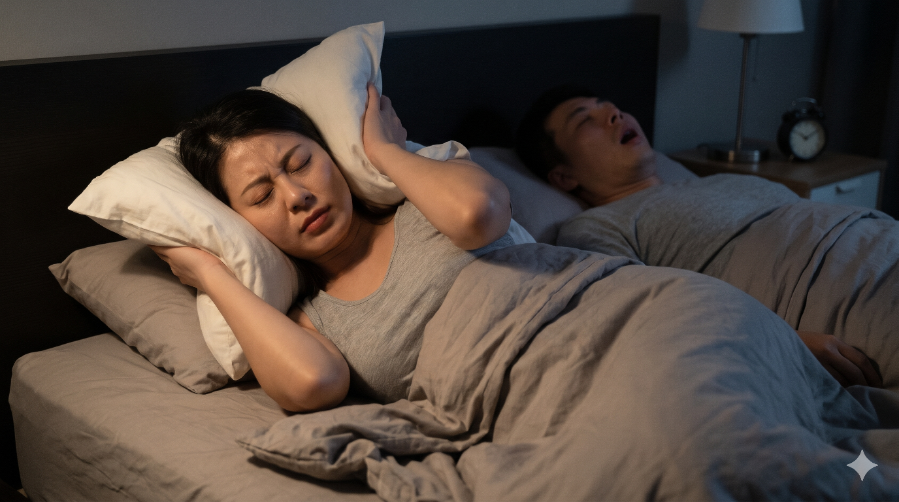
A small mouth-taping study, the author’s experience and breathing-safety warnings explain why quieter snoring does not establish normal breathing during sleep.
Reverse Entropy · Reverse Aging
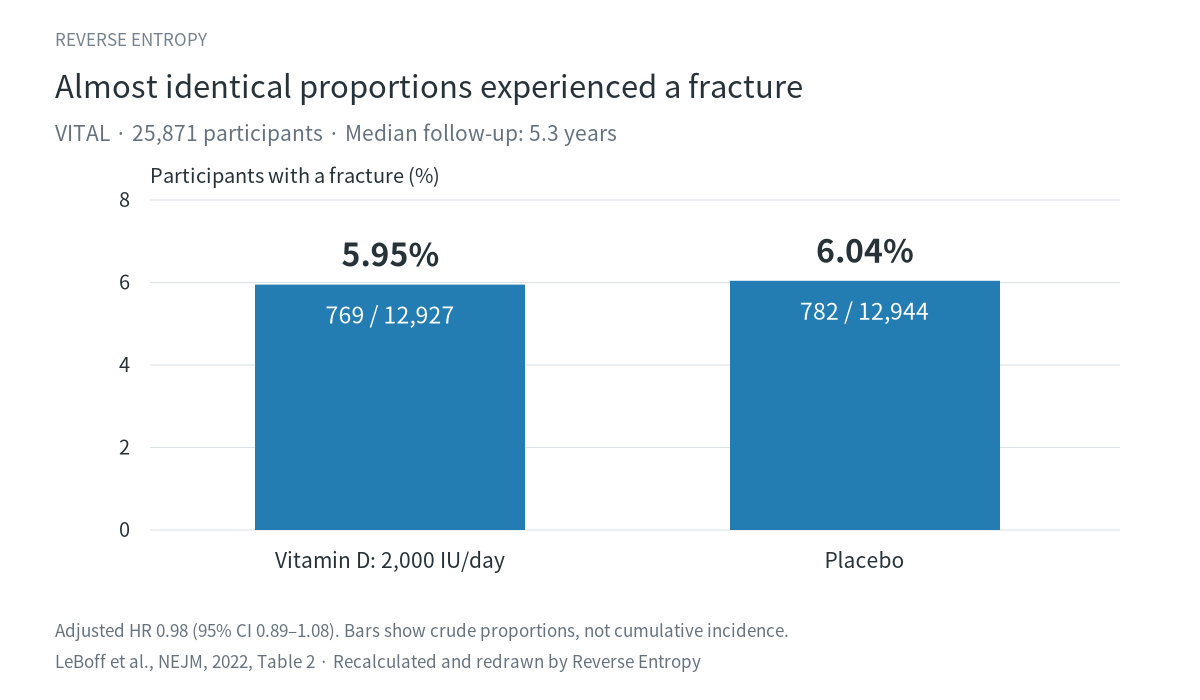
Vitamin D trials show why correcting a deficiency differs from adding more: fractures, blood levels, high-dose bone-density findings and the author’s personal approach.
Health research
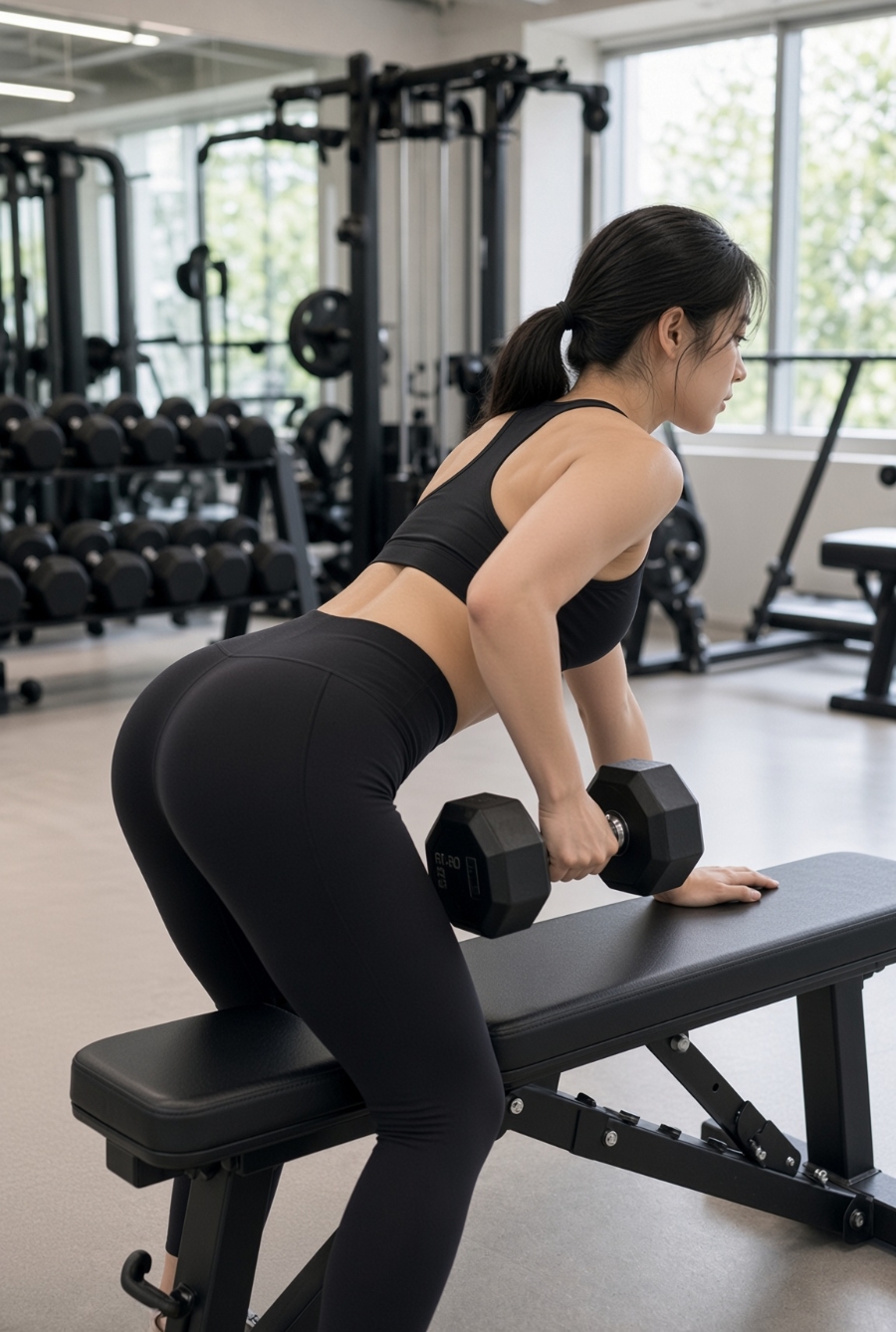
Why soreness is not a scorecard for muscle growth, and how adaptation, gradual progression, and recovery fit together.
Reverse Entropy · Reverse Aging
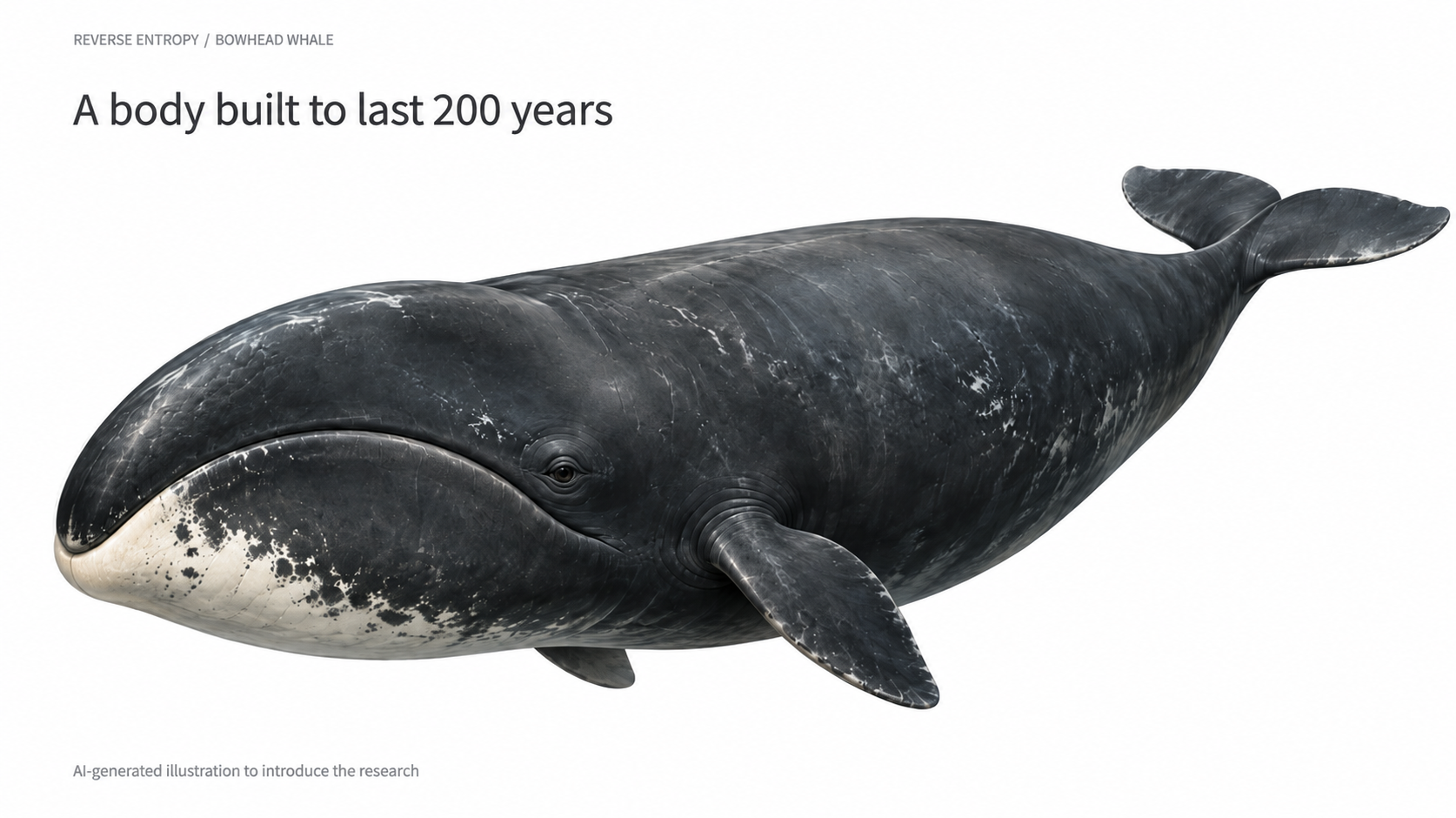
Bowhead whale research explores CIRBP, accurate DNA repair, cultured human cells and fruit flies, and the author’s hopes for future anti-aging research.
Reverse Entropy · Reverse Aging
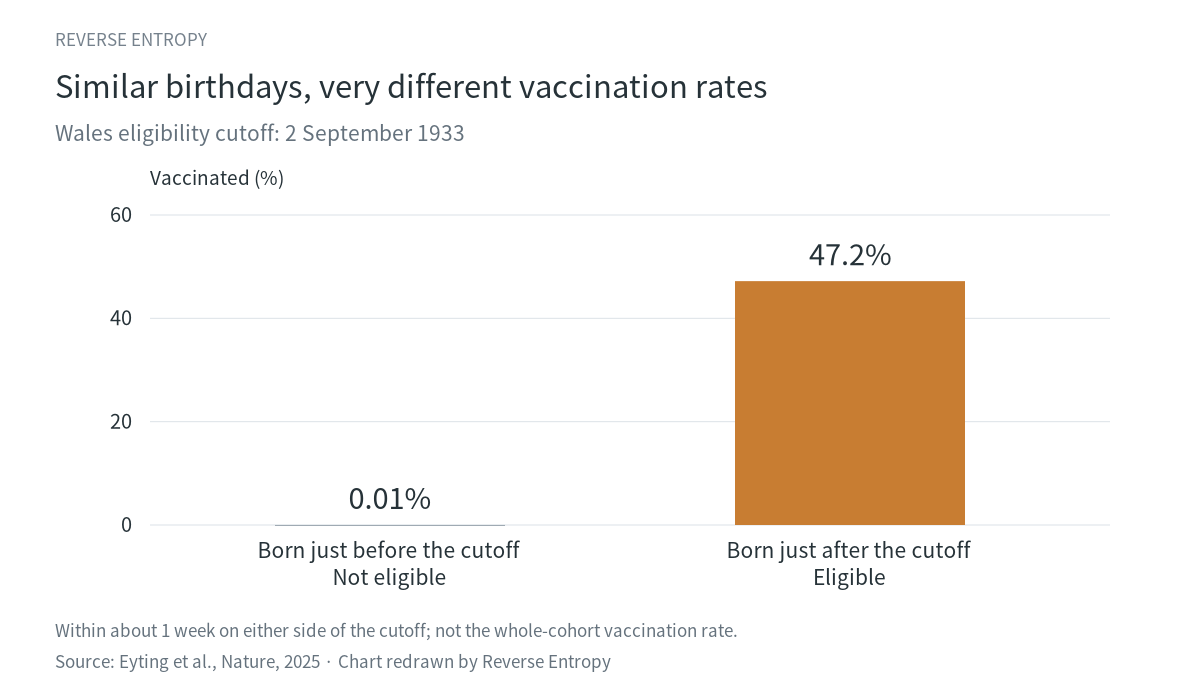
A Welsh natural experiment and research on recombinant vaccines suggest a connection between shingles vaccination and dementia risk, alongside the established purpose of shingles prevention.
Science & Health
Why protecting every cell is not the goal: antioxidant trials, exercise, cellular repair, and my personal anti-aging approach.
Cancer & Cell Biology
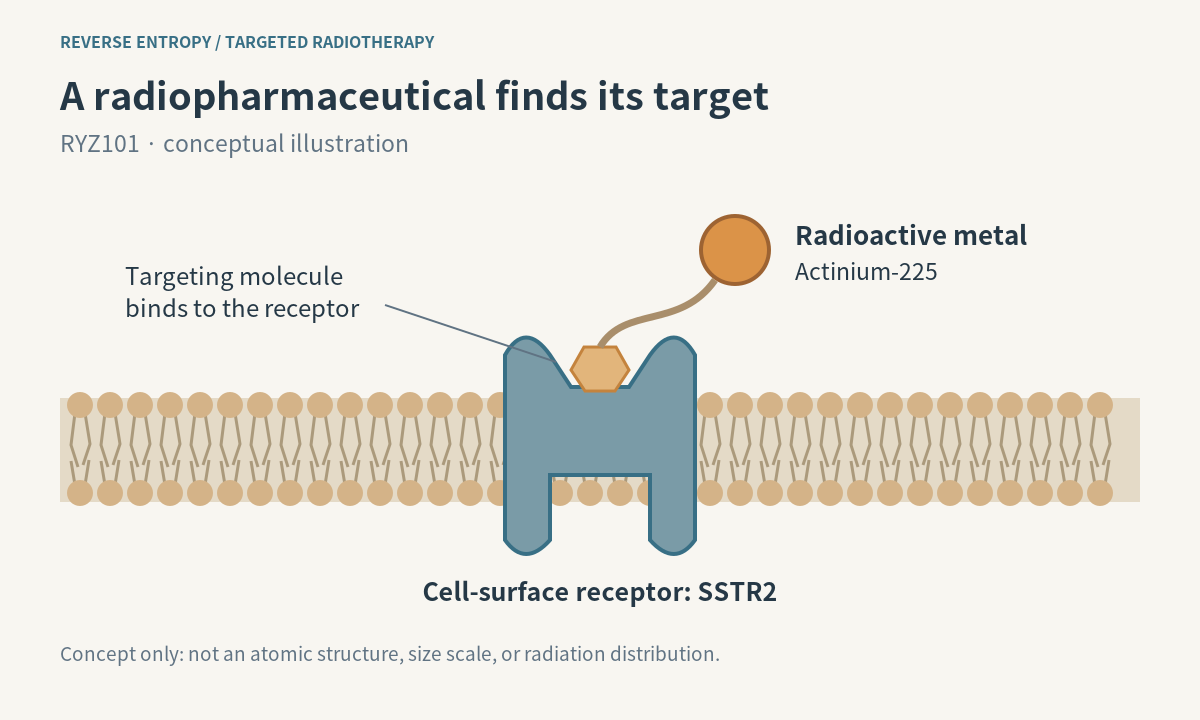
How RYZ101 combines a tumor target with alpha radiation, and what the ACTION-1 phase 3 announcement does and does not establish.
Reverse Entropy
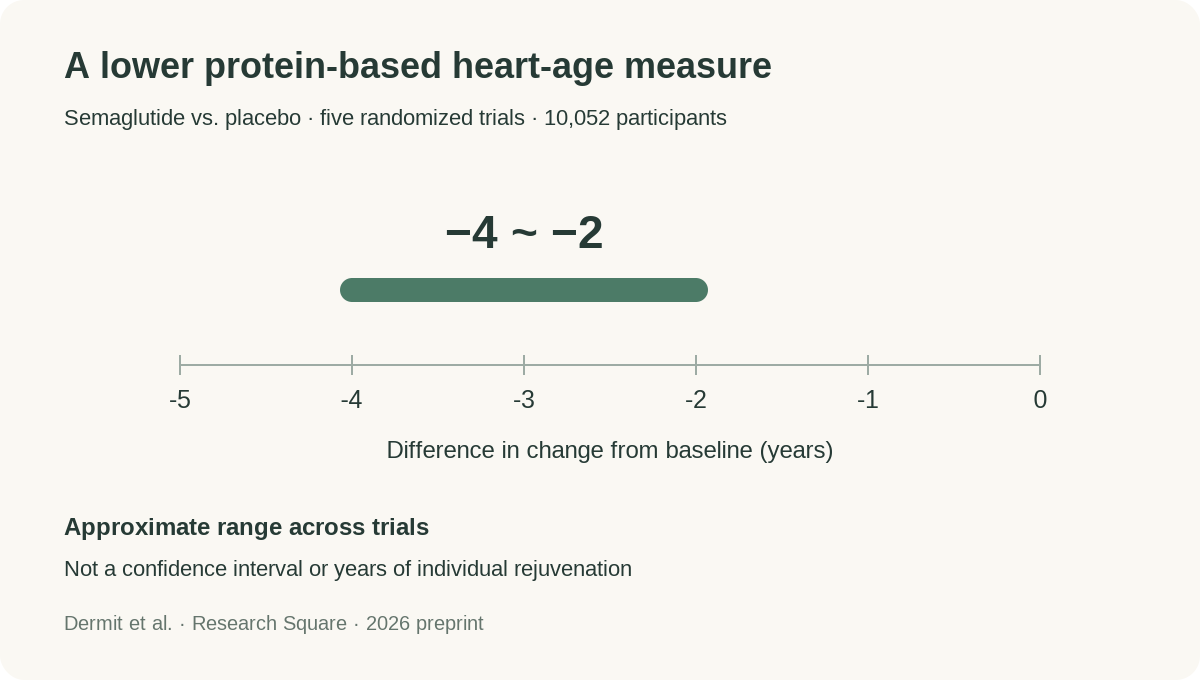
What a five-trial protein analysis suggests about semaglutide and organ aging, alongside SELECT and FLOW outcomes.
Sleep & Recovery
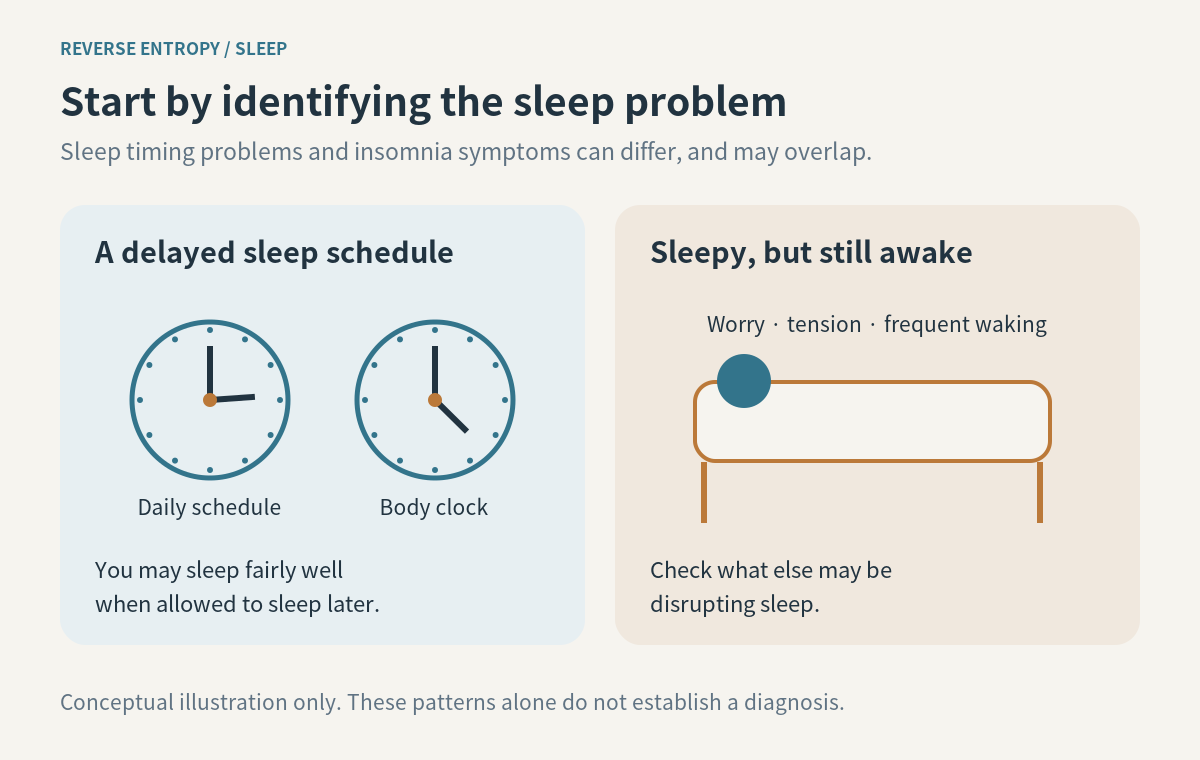
Why melatonin may not solve every sleep problem, and what a four-week trial in delayed sleep timing actually found.
Cancer & Cell Biology
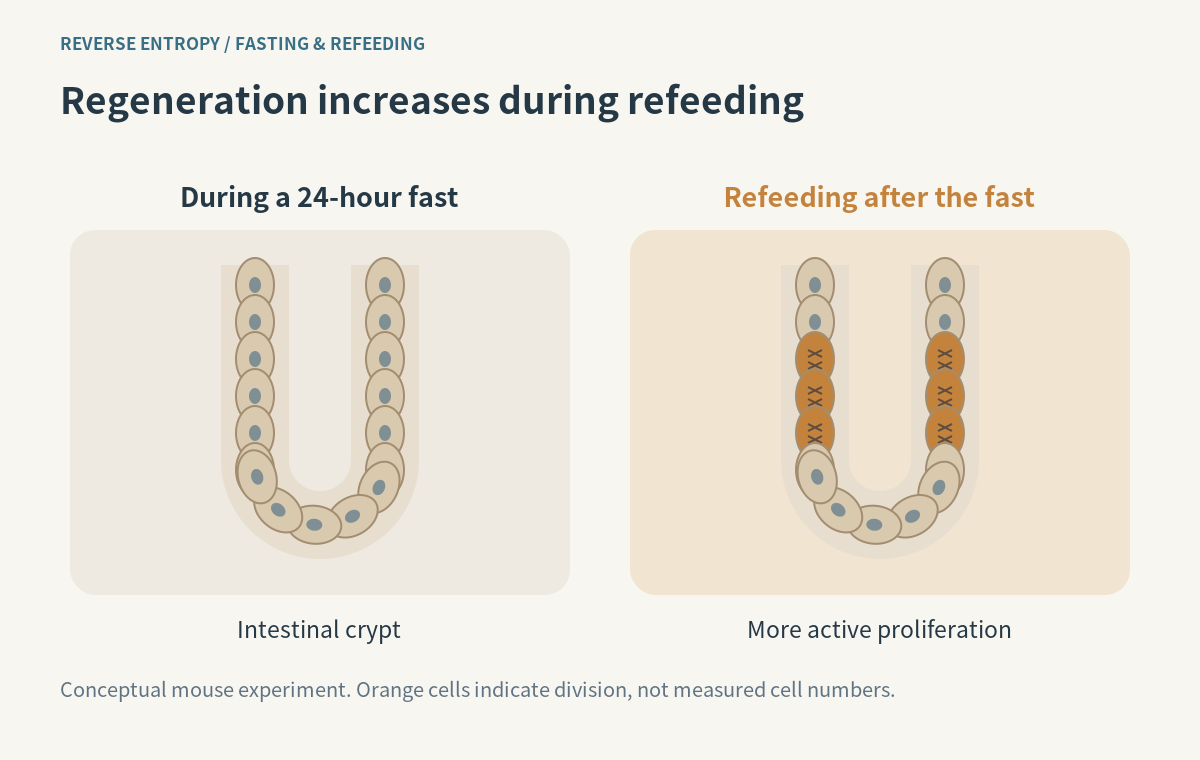
A mouse study links post-fast refeeding to intestinal regeneration and tumor formation, and prompts a personal reassessment of fasting.
Reverse Entropy
Comparing heat stability, health evidence, flavor, and storage, with extra-virgin olive oil as my everyday choice.
Reverse Entropy
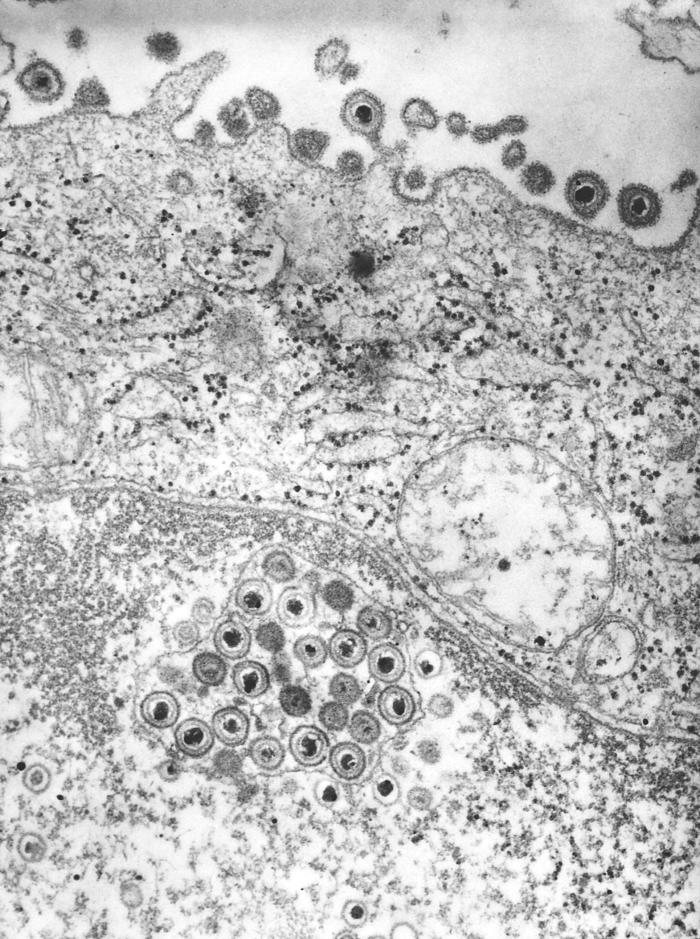
A new oral option for treatment-refractory HSV in immunocompromised adults, its different mechanism, and the evidence on healing and viral shedding.
Reverse Entropy
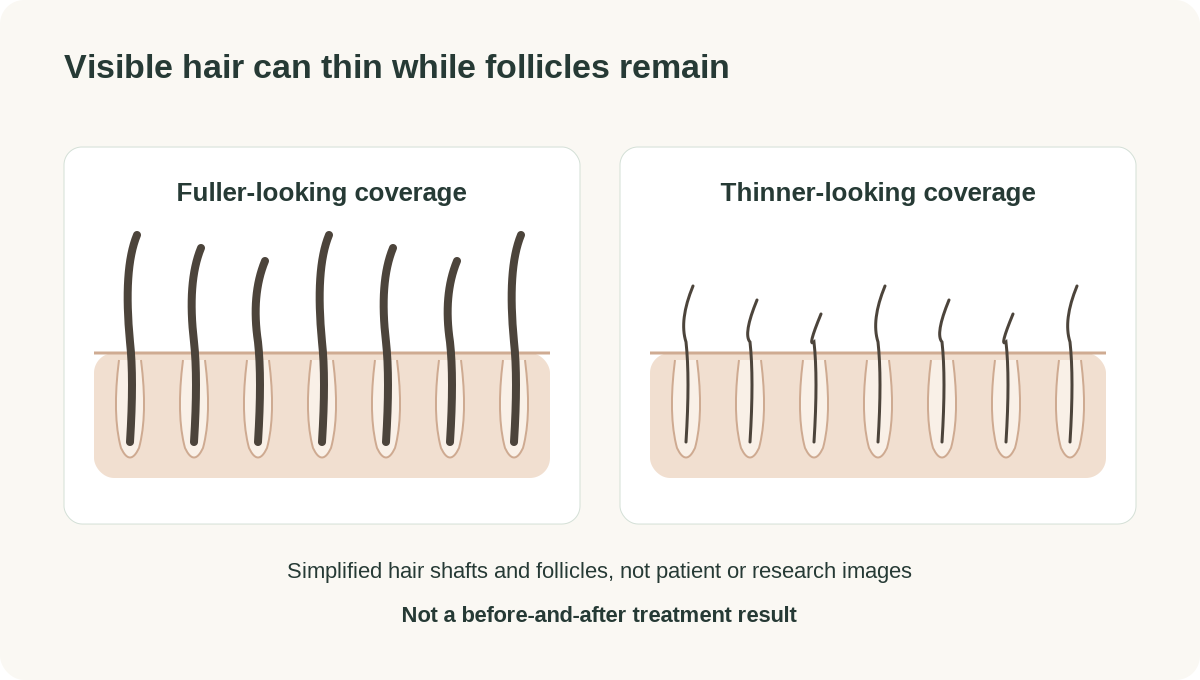
A human scalp atlas points to weakening regenerative signals, the stem-cell niche, and PTN, alongside my clinical observations with D-ALL.
Reverse Entropy
Why daily protein intake and resistance training matter more than a rigid schedule, with evidence on absorption, meal distribution, and intermittent fasting.
Healthy aging
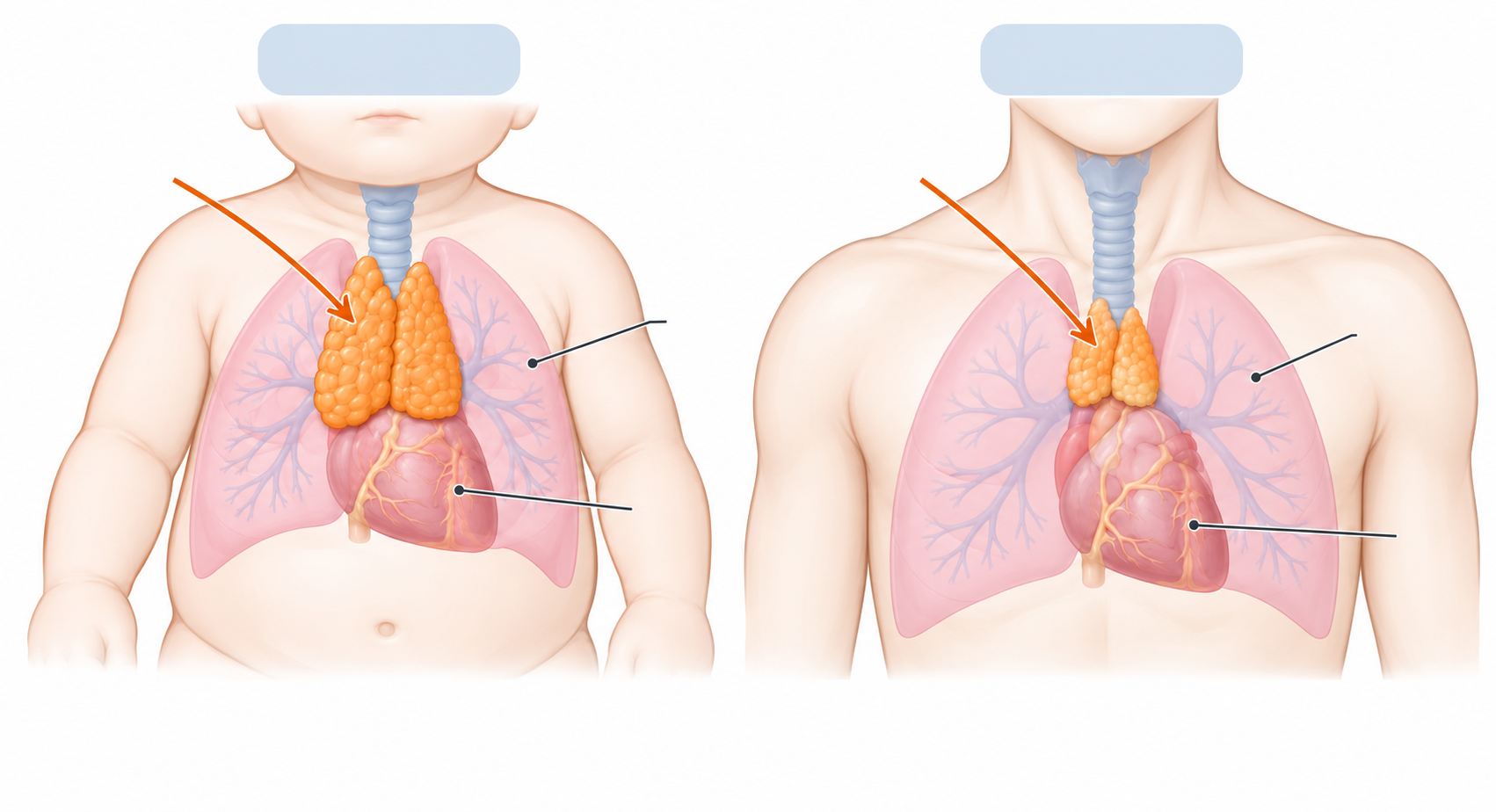
The small TRIIM study examined thymic tissue, immune markers, and epigenetic age. What changed, what remains uncertain, and why the thymus matters in aging research.
Healthy aging
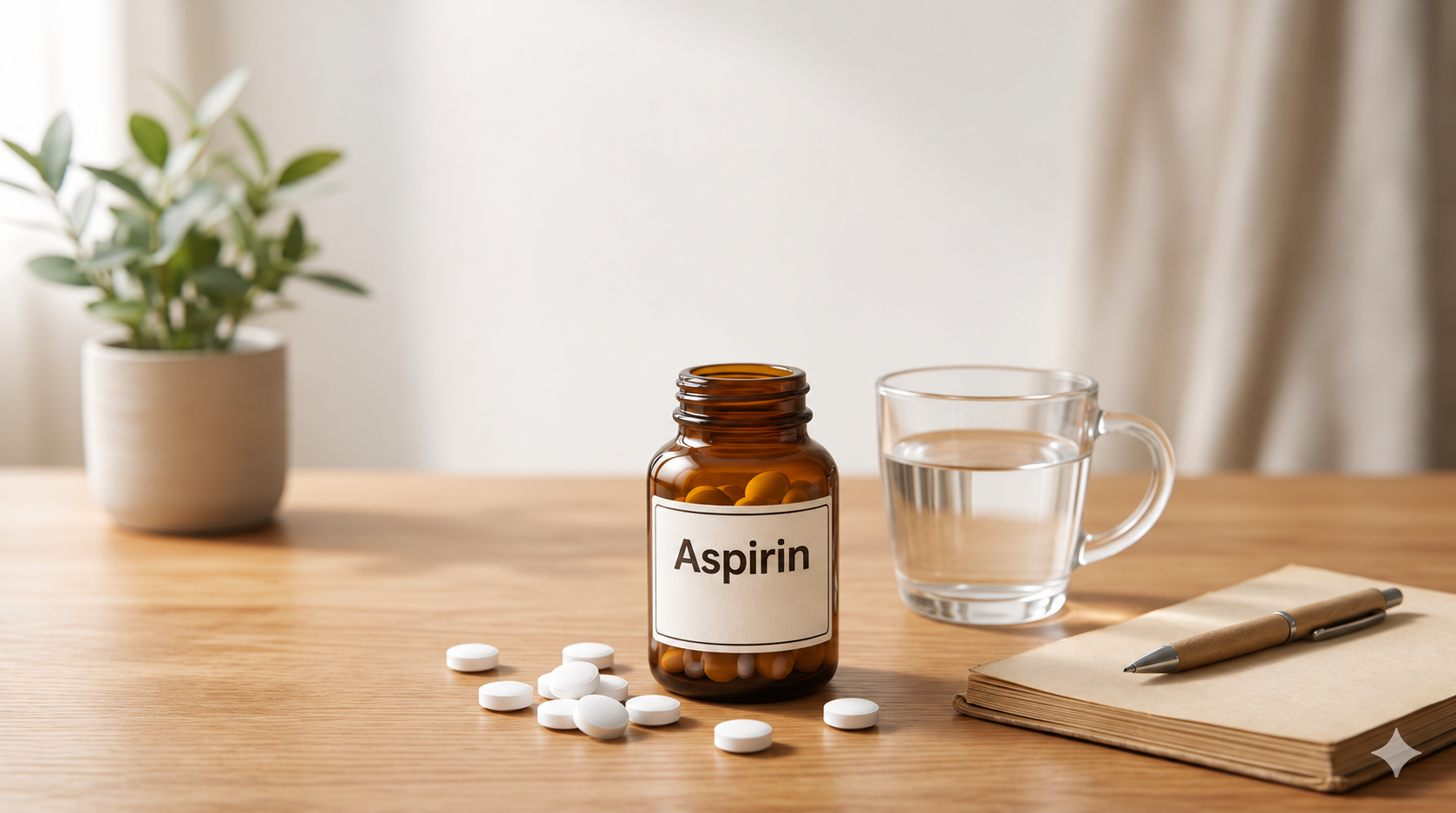
A closer look at aspirin for cardiovascular prevention, Lynch syndrome, colorectal cancer recurrence, and healthy older adults, with the benefits and bleeding risks kept in view.
Reverse Entropy · Anti-Aging
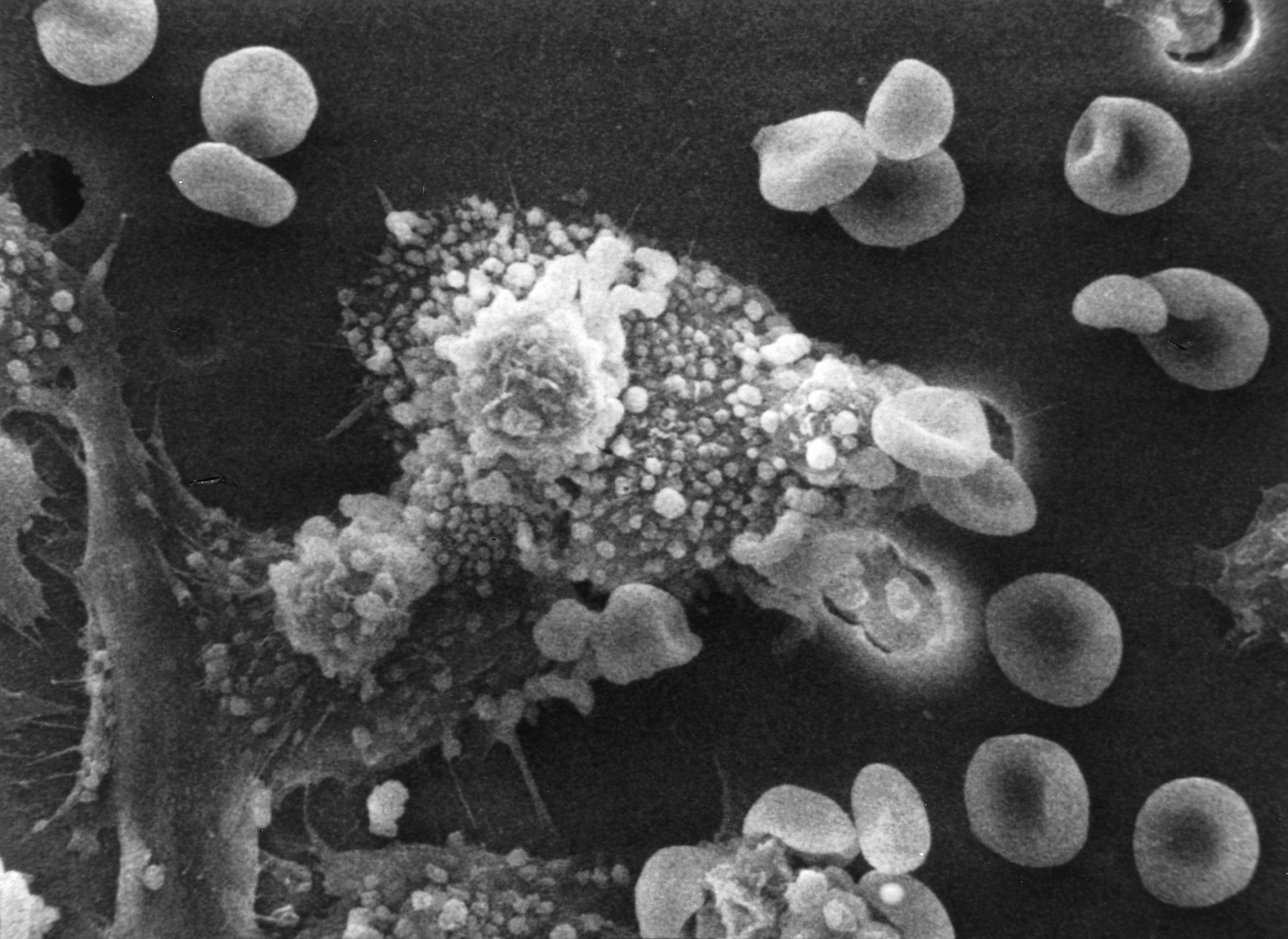
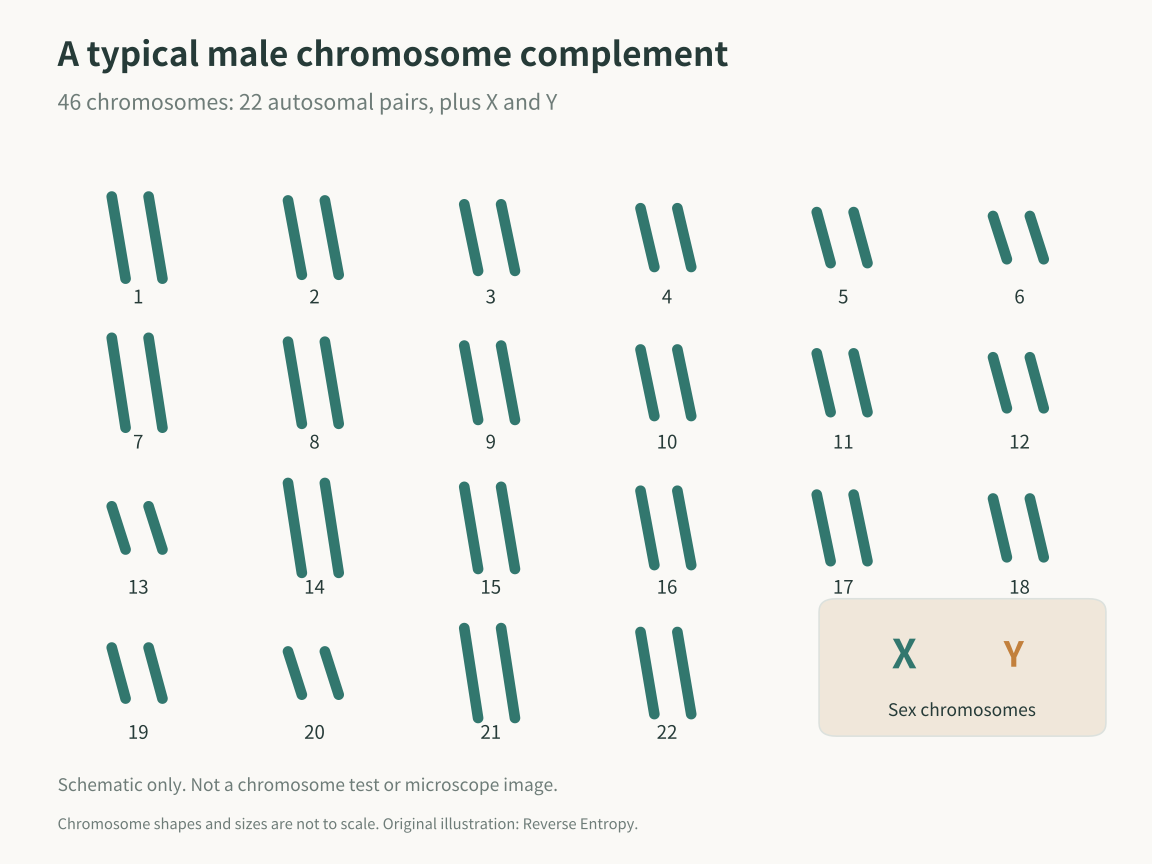
How some blood cells lose their Y chromosome with age, and what human studies and mouse experiments suggest about immune cells and heart health.
Reverse Entropy · Anti-Aging
A Korean randomized trial of home-based exercise and nutritional support found improvements in cognitive test scores, with some differences remaining six months after the program ended.
Reverse Entropy · Reverse Aging
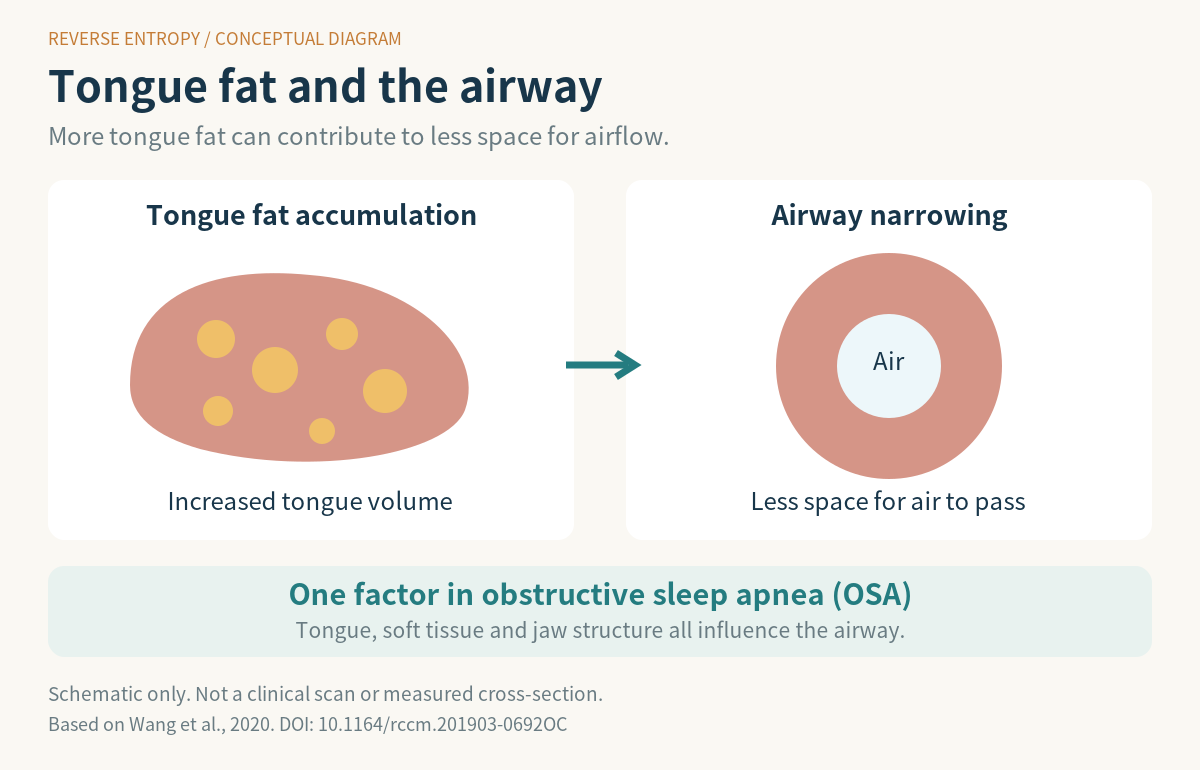
Retatrutide research links weight loss with fewer breathing disturbances during sleep. A closer look at tongue fat, trial results, muscle, nutrition, and tolerability.
Reverse Entropy — Reverse Aging
How to interpret PPI research on Parkinson’s disease and dementia, including study limitations and the need to review the reasons for ongoing treatment.
Reverse Entropy · Reverse Aging
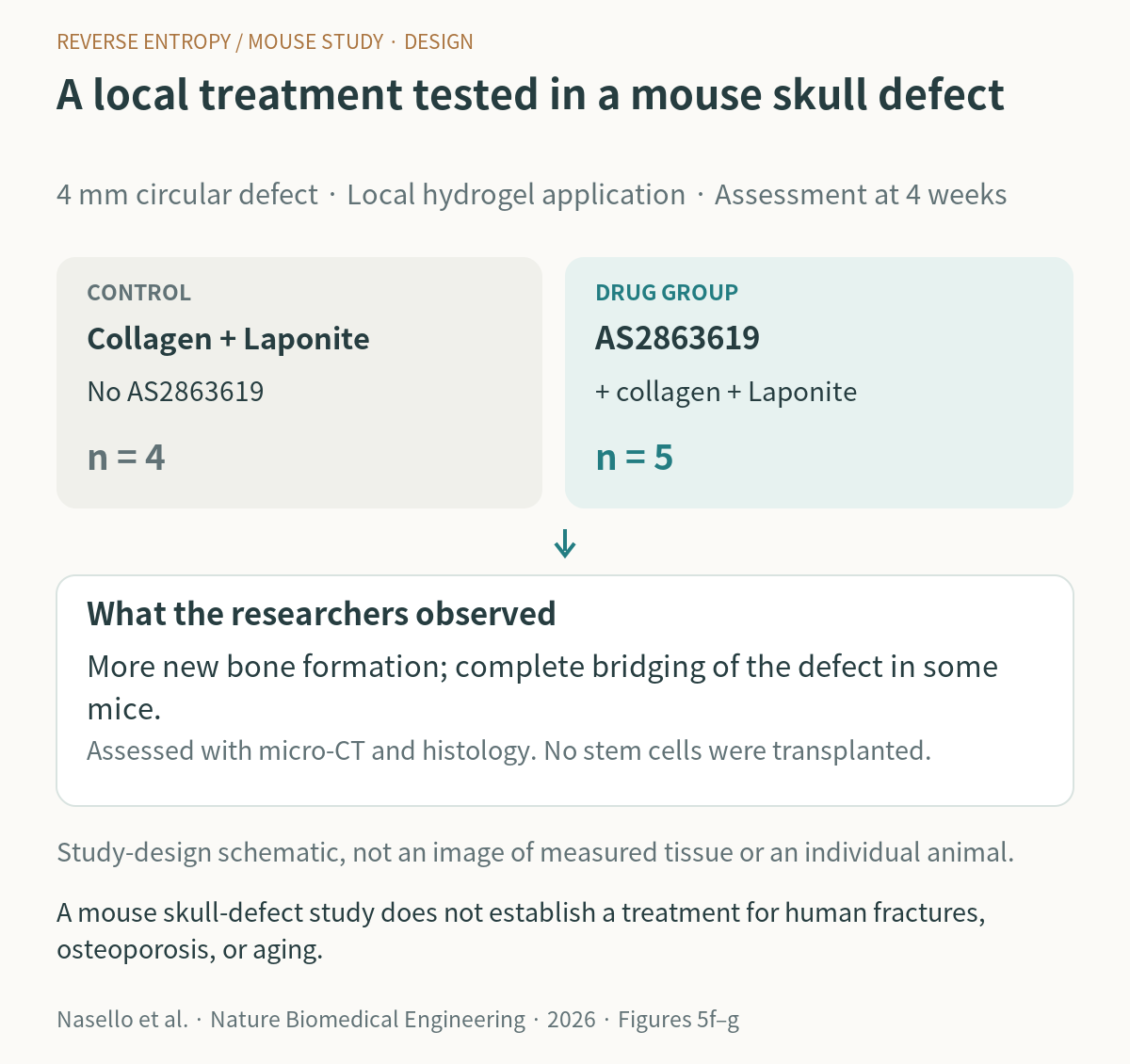
A mouse study used a drug-releasing hydrogel to modulate regulatory T cells and promote bone regeneration. What it showed, and what it cannot yet tell us about human treatment or aging.
Reverse Entropy
A cold-responsive muscle pathway in nematodes connects BH2 metabolism, protein quality control, and lifespan, with careful limits on what the findings mean for people.
Reverse Entropy · Cellular senescence
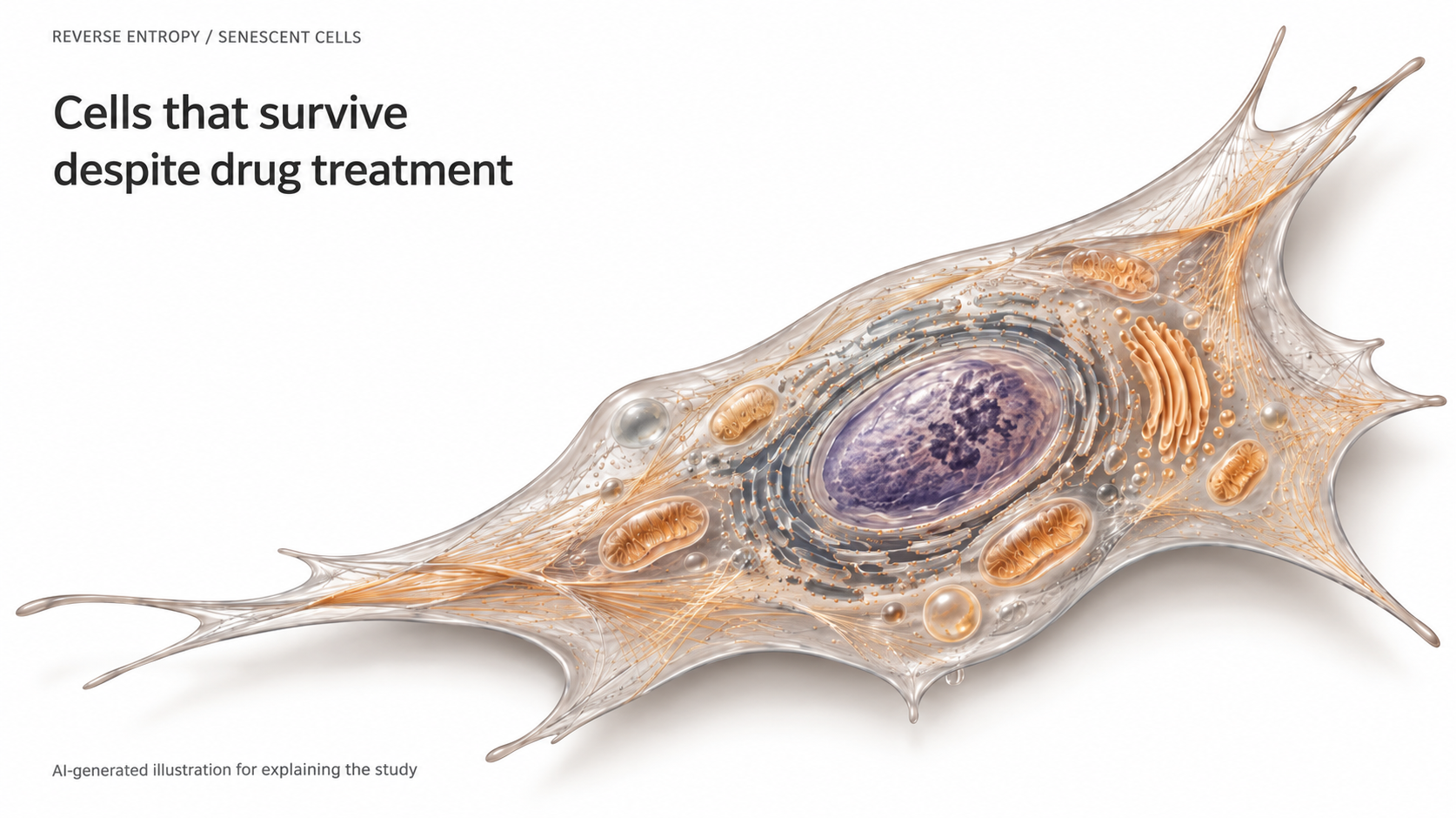
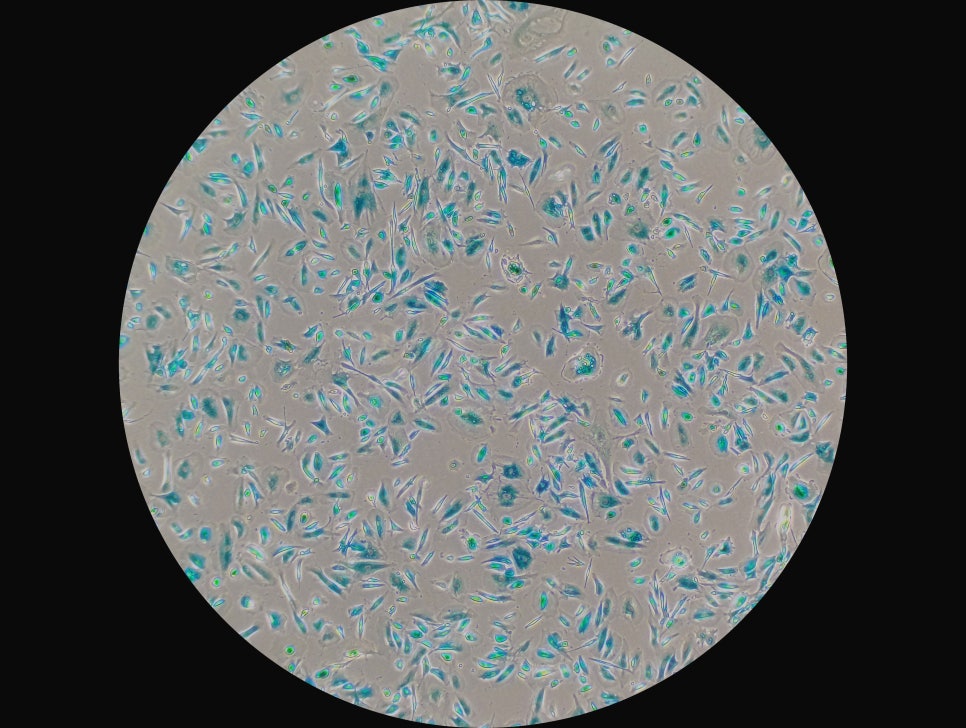
A C3 study explores why some senescent cells resist navitoclax, and why more precise treatment matters more than simply using stronger drugs.
Reverse Entropy · Recovery and regeneration
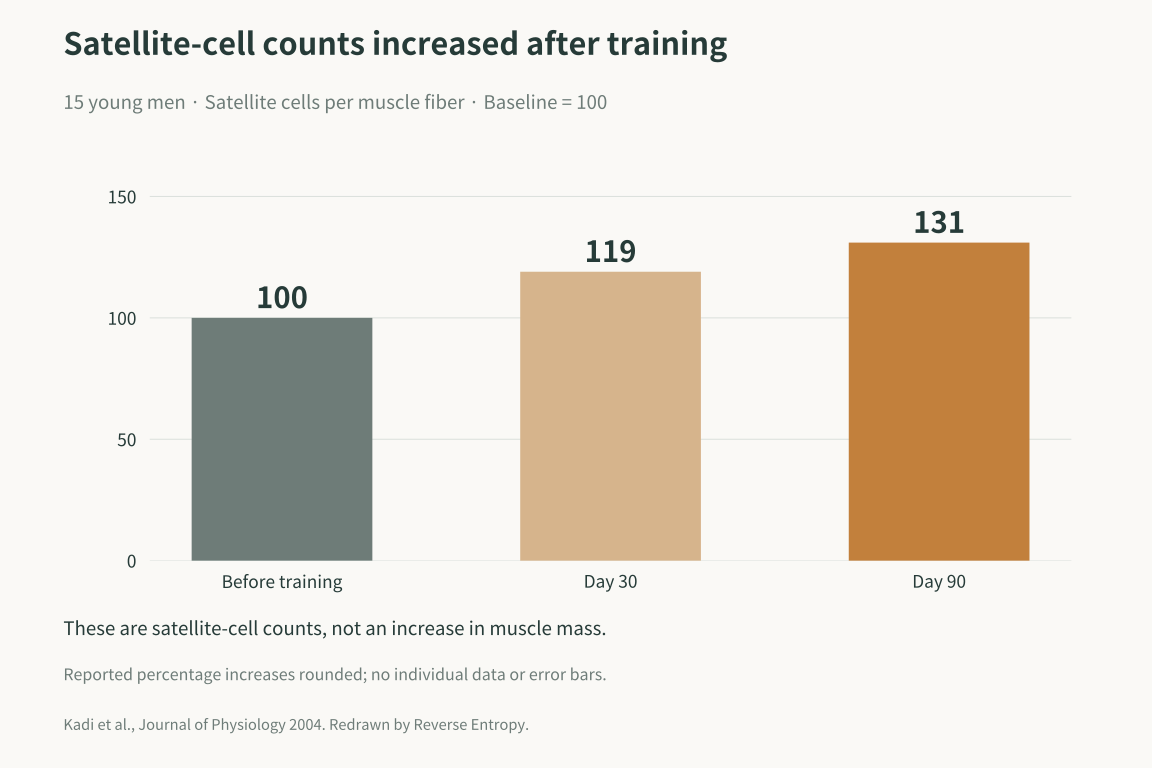
Muscle stem-cell research, training-interval experiments, and skin-treatment trials point to the importance of recovery after stimulation.
Science & technology
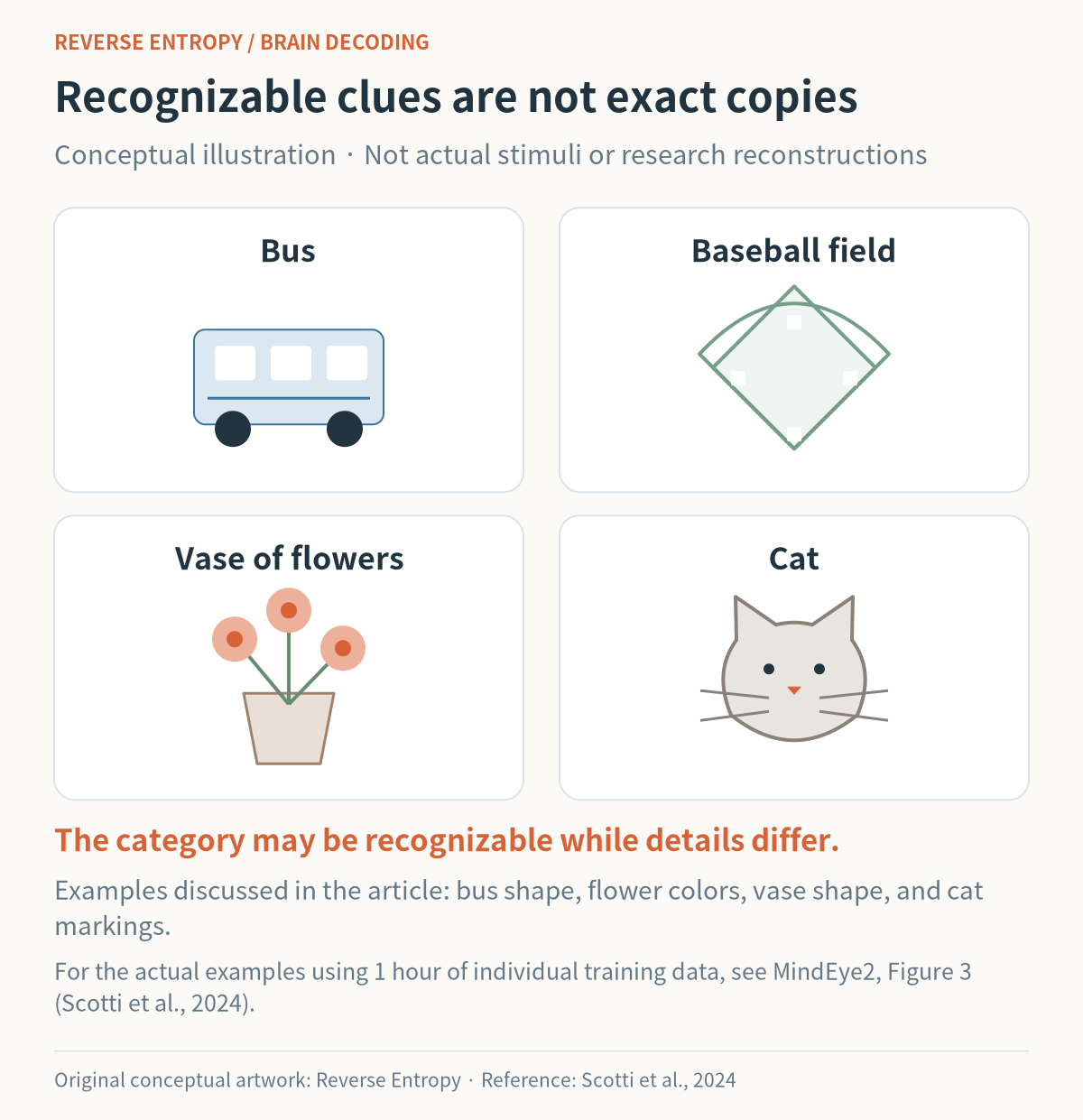
MindEye2 and MIRAGE reconstruct images from fMRI signals. What they capture, what generative AI fills in, and the limits of interpreting these images as thoughts.
Healthy aging
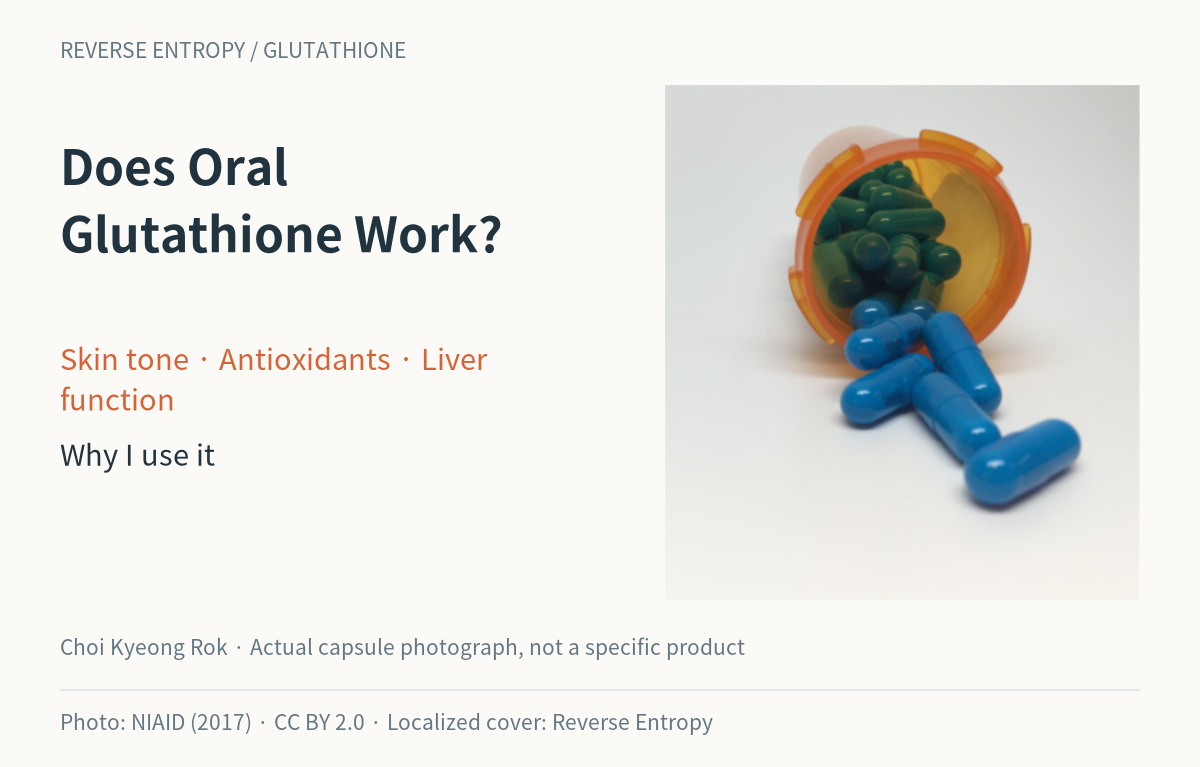
Reduced, acetylated, and liposomal glutathione, skin and antioxidant studies, and how to distinguish actual glutathione content from the weight of a yeast-extract ingredient.
Reverse Entropy · Reverse Aging
How to compare clinic and home readings: white-coat hypertension, measurement timing, arm position, complete records, and the Korean diagnostic thresholds.
Reverse Entropy · Reverse Aging
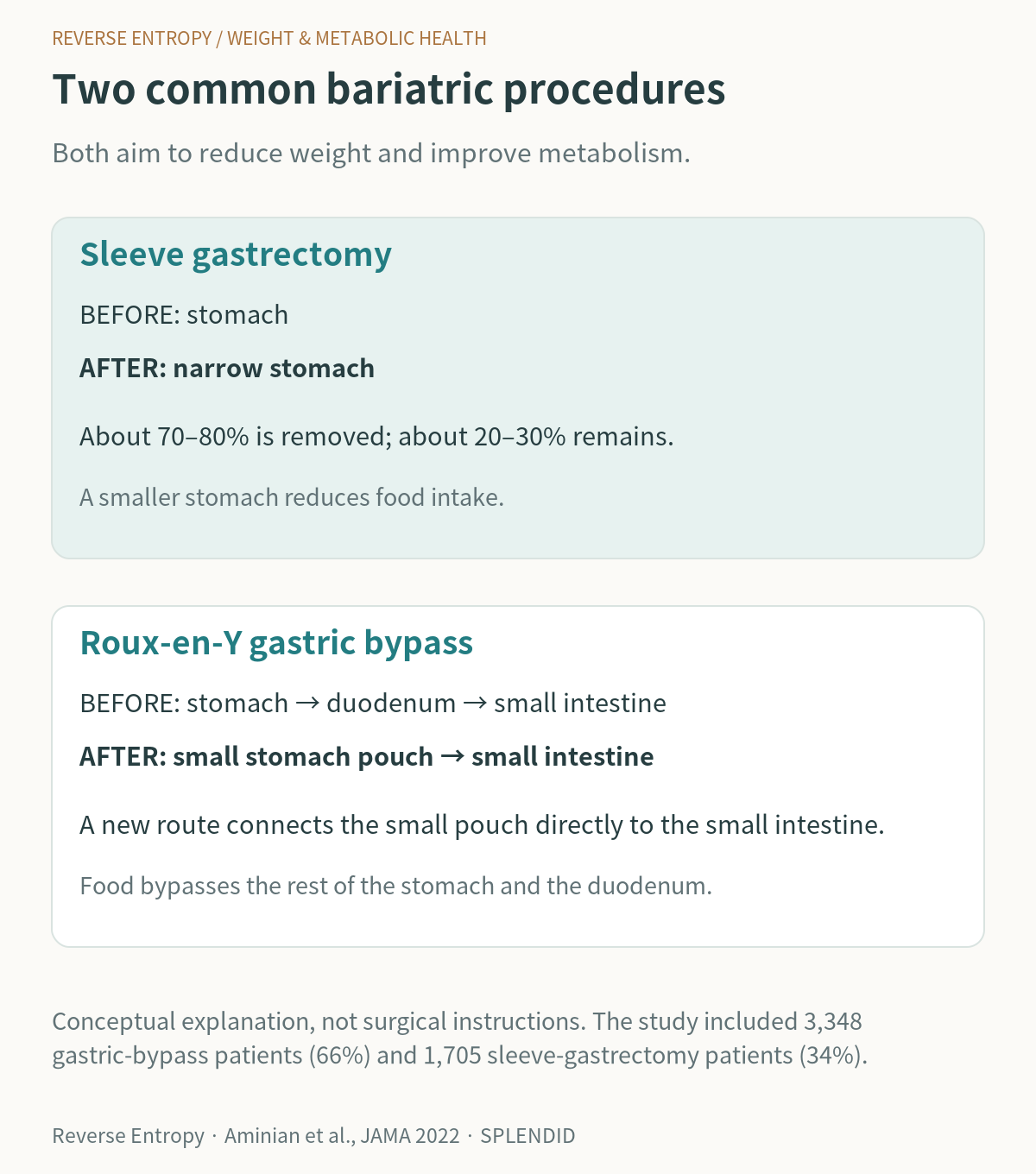
The SPLENDID study linked bariatric surgery with fewer obesity-associated cancers and cancer deaths. What the estimates mean, and why they cannot be transferred to GLP-1 medications.
Reverse Entropy
A comparison of one 30-minute daily walk with three 10-minute walks after meals, focusing on post-meal blood glucose.
Longevity research
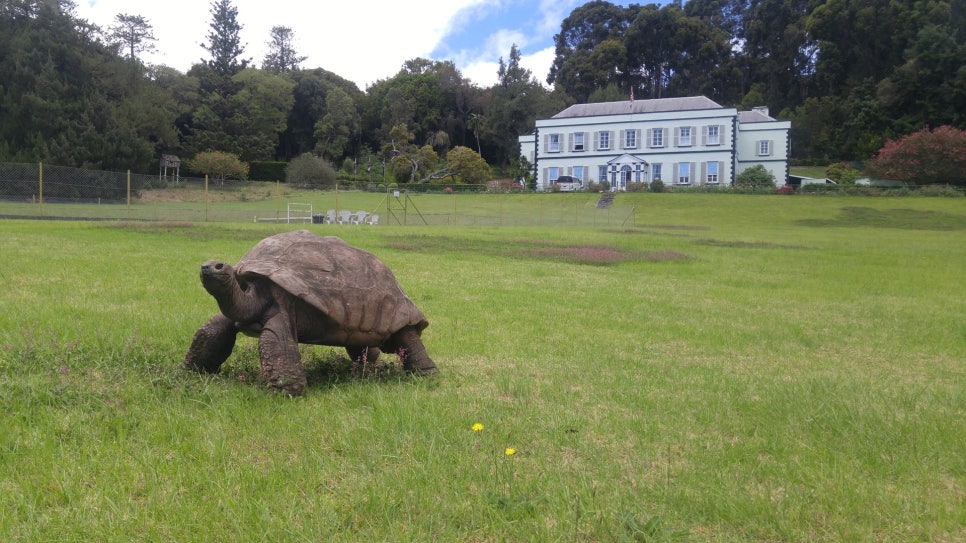
Jonathan’s genome and methylation patterns offer clues to extreme longevity, with low entropy in selected regulatory regions. What the findings suggest, and what they cannot establish.
Sleep & recovery
Falling asleep quickly does not guarantee uninterrupted sleep. A caffeine trial illustrates why dose, timing, and individual sensitivity all matter.
Supplements and kidney health
Why creatinine can rise and calculated eGFR can fall after creatine supplementation, and why changed results still deserve clinical review.
Reverse Entropy
Two approaches to senescent-cell clearance: an early human liver-disease trial and a CMA mechanism studied in cells and mice.
Reverse Entropy
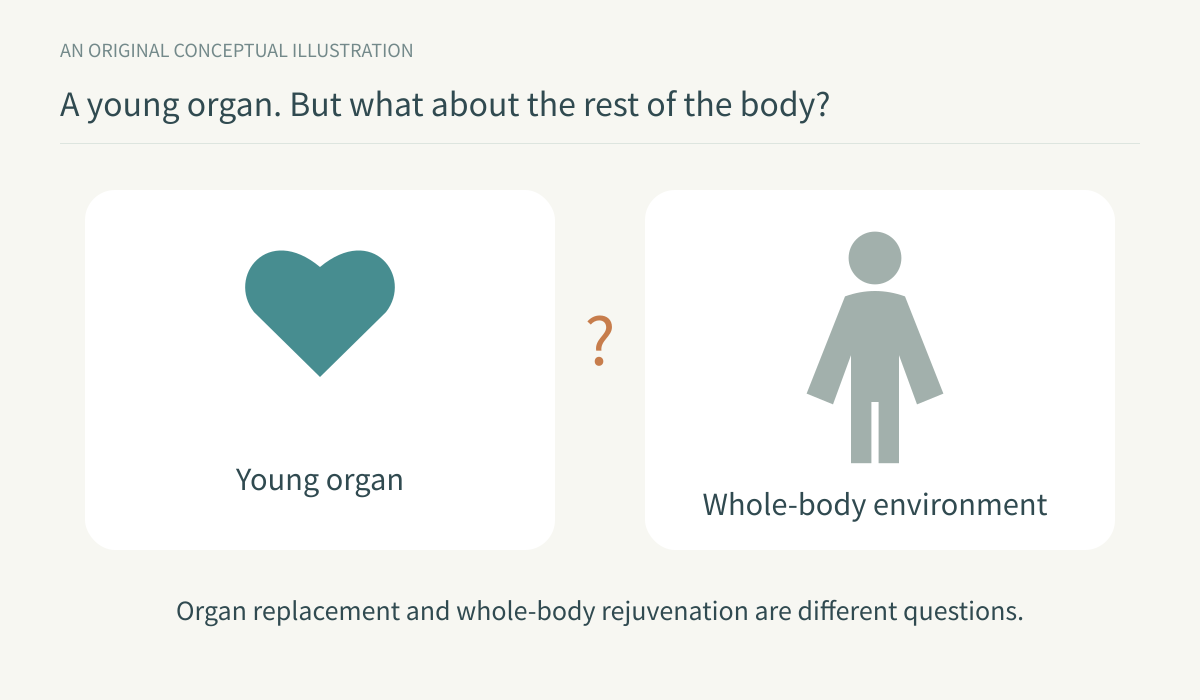
What heart-transplant studies suggest about the relationship between an organ’s biological age and the environment of the body.
Medical science
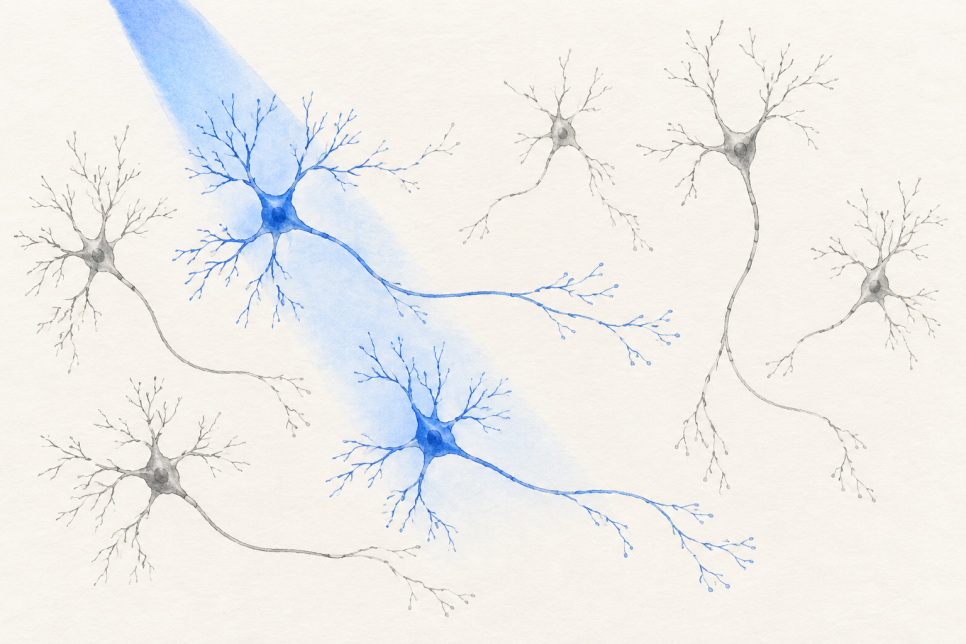
From green algae to light-controlled neurons: optogenetics, its role in testing brain circuits, and the possibilities and limits of clinical applications.
Brain health
What SPRINT-MIND found about blood pressure, mild cognitive impairment, brain MRI, and the limits of interpreting these results as dementia prevention.
Aging research
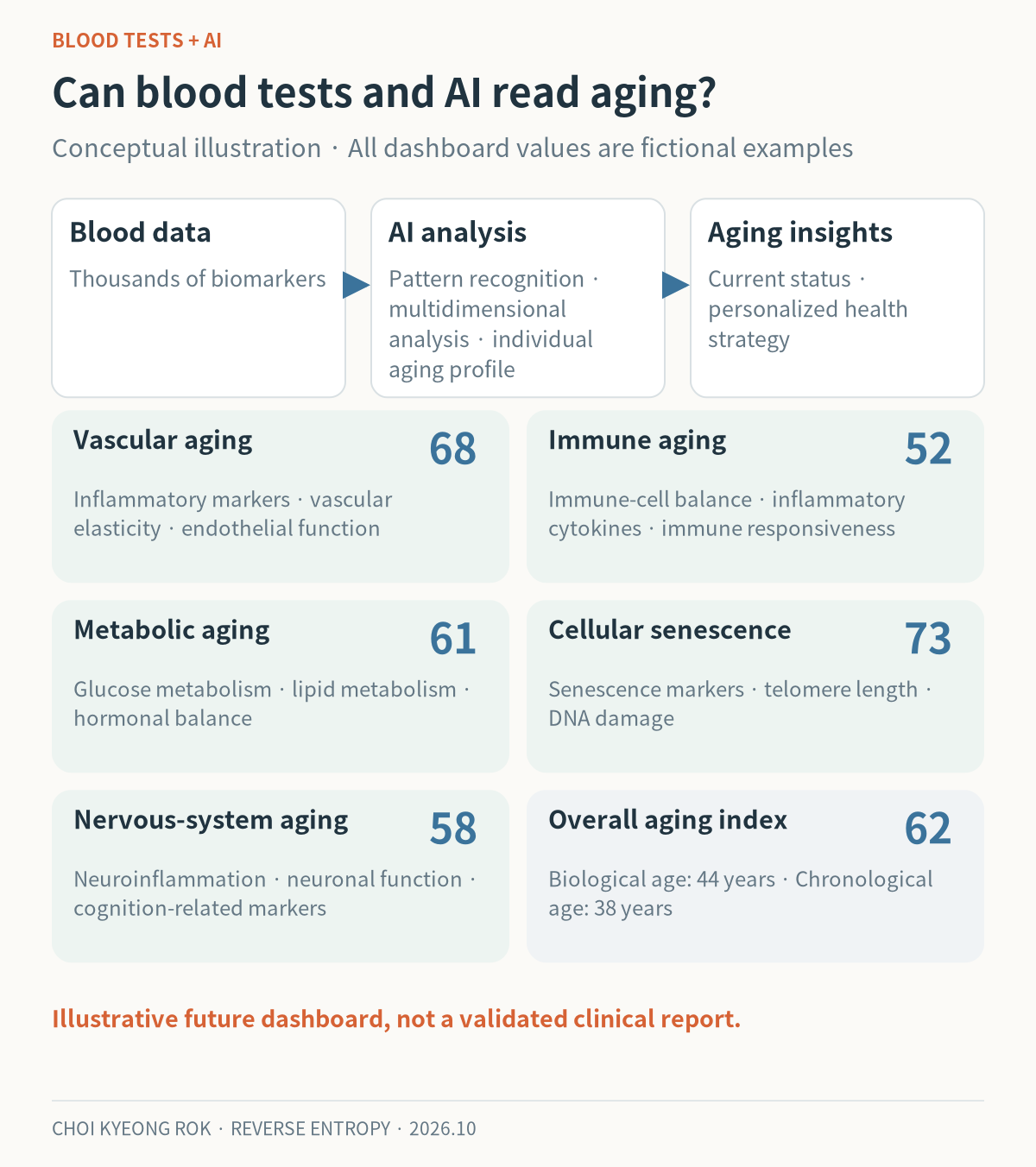
The SASP Score combines 38 plasma proteins with AI. What it may reveal about aging, what it cannot yet measure, and why validation matters.
Oral health and microbiome
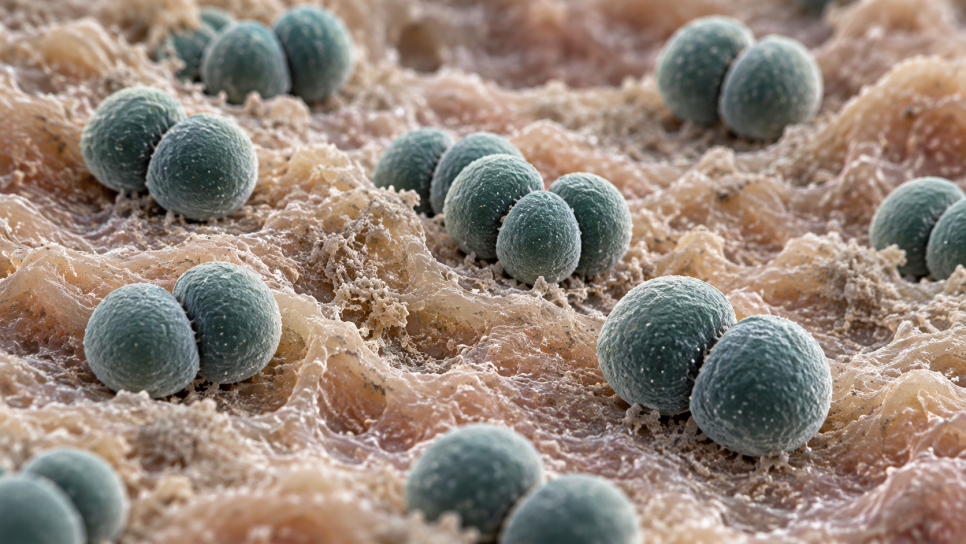
An AI-guided oral-microbiome study, experiments in worms and mice, and why the practical lesson is oral care rather than taking an unproven bacterium.
Hormones and aging
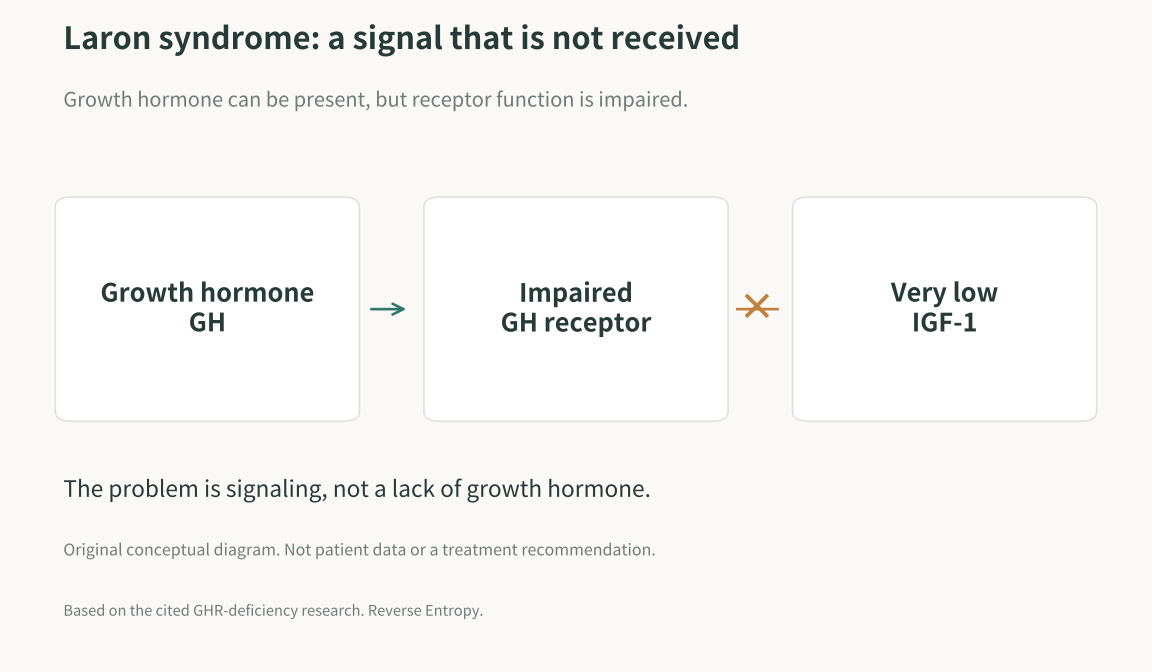
What a rare form of growth hormone resistance reveals about cancer, insulin sensitivity, and the difference between growth and long-term health.
Skin & aesthetics
Human studies link air pollution with pigment spots. Explore the skin barrier, gentle cleansing, indoor air, and a practical approach to healthier skin.
Skin & aesthetics
Why dry skin needs more than extra moisture: sebum, barrier lipids, moisturizer choices, skin boosters, and a treatment sequence that reduces irritation.
Skin & aesthetics
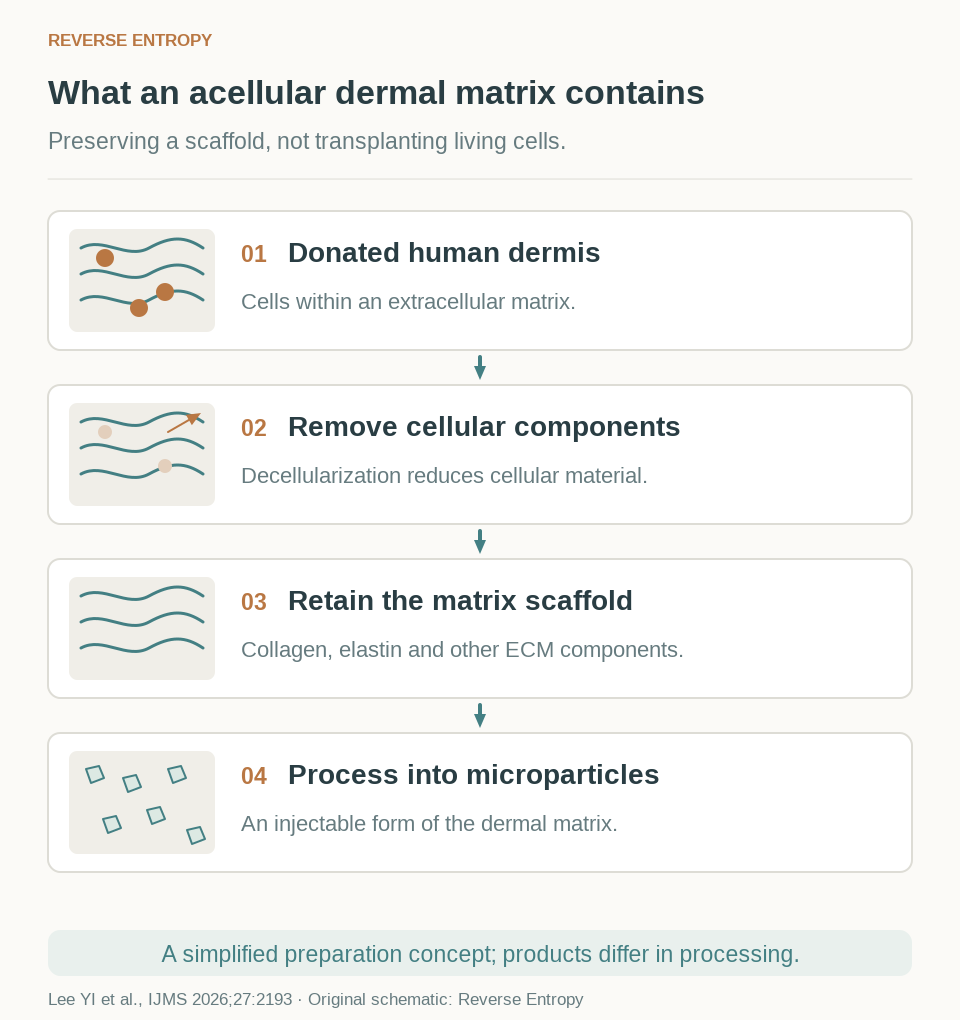
Re2O, CellREDM, GCELLE RIBONNE, and juveàcell: what ADM offers, what human studies show, and why long-term softness and reversibility matter to my practice.
Skin & aesthetics
Facial fat provides more than volume. Dr. Choi explores dWAT, the signals between fat cells and fibroblasts, and why preserving support matters in rejuvenation.
Skin & aesthetics
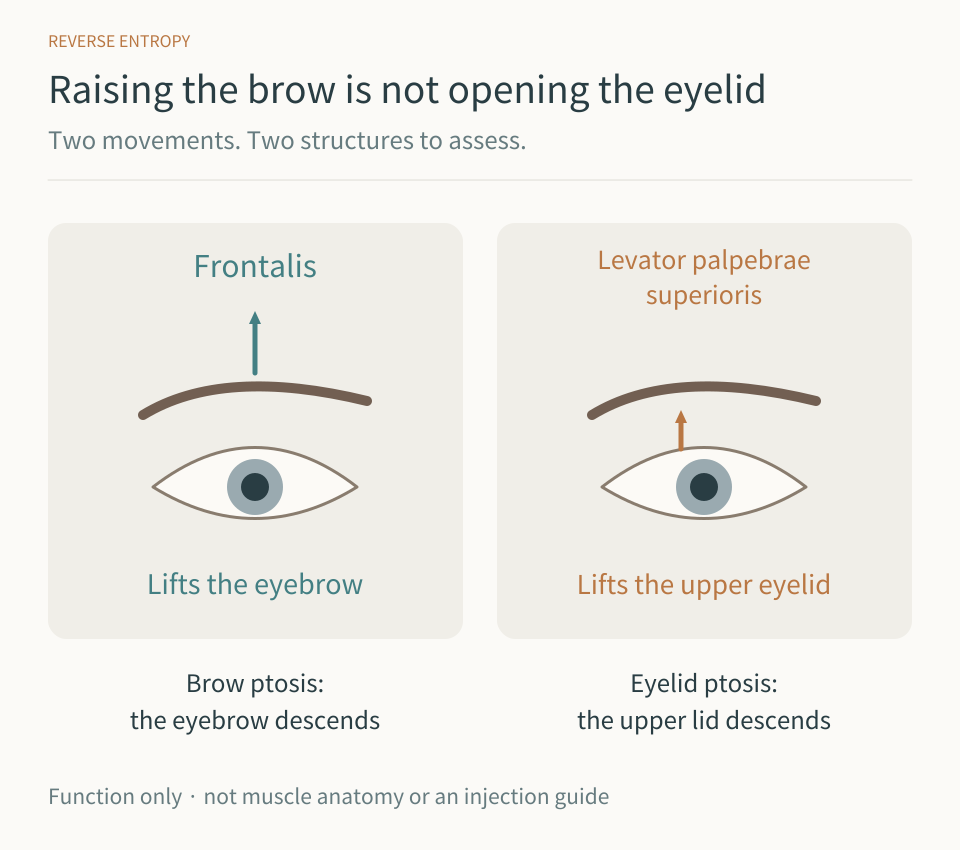
Brow ptosis, eyelid ptosis, and a Spock brow have different explanations. Dr. Choi examines muscle balance and the importance of preserving natural expression.
Skin & aesthetics
What sugar does to collagen, what studies of skin yellowing really show, and how diet, everyday skin care, and aesthetic treatments address different goals.
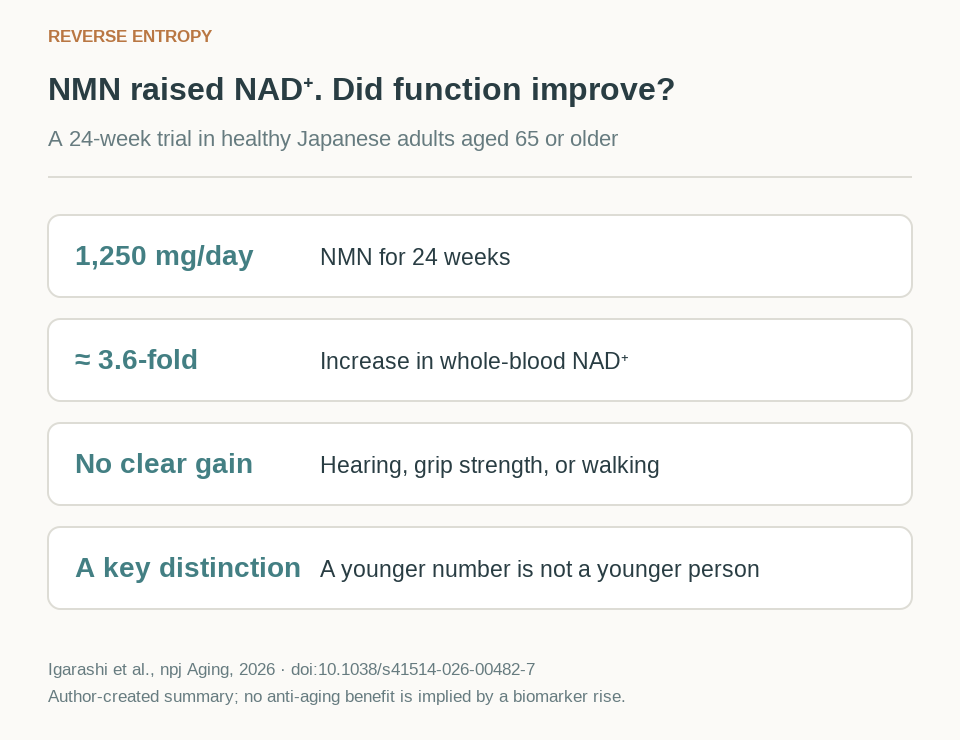
A 24-week NMN trial raised blood NAD⁺ substantially without clear gains in hearing or physical function. Dr. Choi examines what the results mean for aging.