Convenience-store shelves and restaurant menus are covered in the word “zero.” It is no longer just soft drinks: energy drinks, soju, and dairy products advertised as having less sugar or fewer calories have become standard options.
At 0 kcal, they may seem as though they should make you lose weight simply by drinking them. Yet plenty of people drink diet soda regularly without losing weight, and some complain of bloating instead.
Here are the common questions about zero-sugar drinks and how I think we can use them most sensibly.
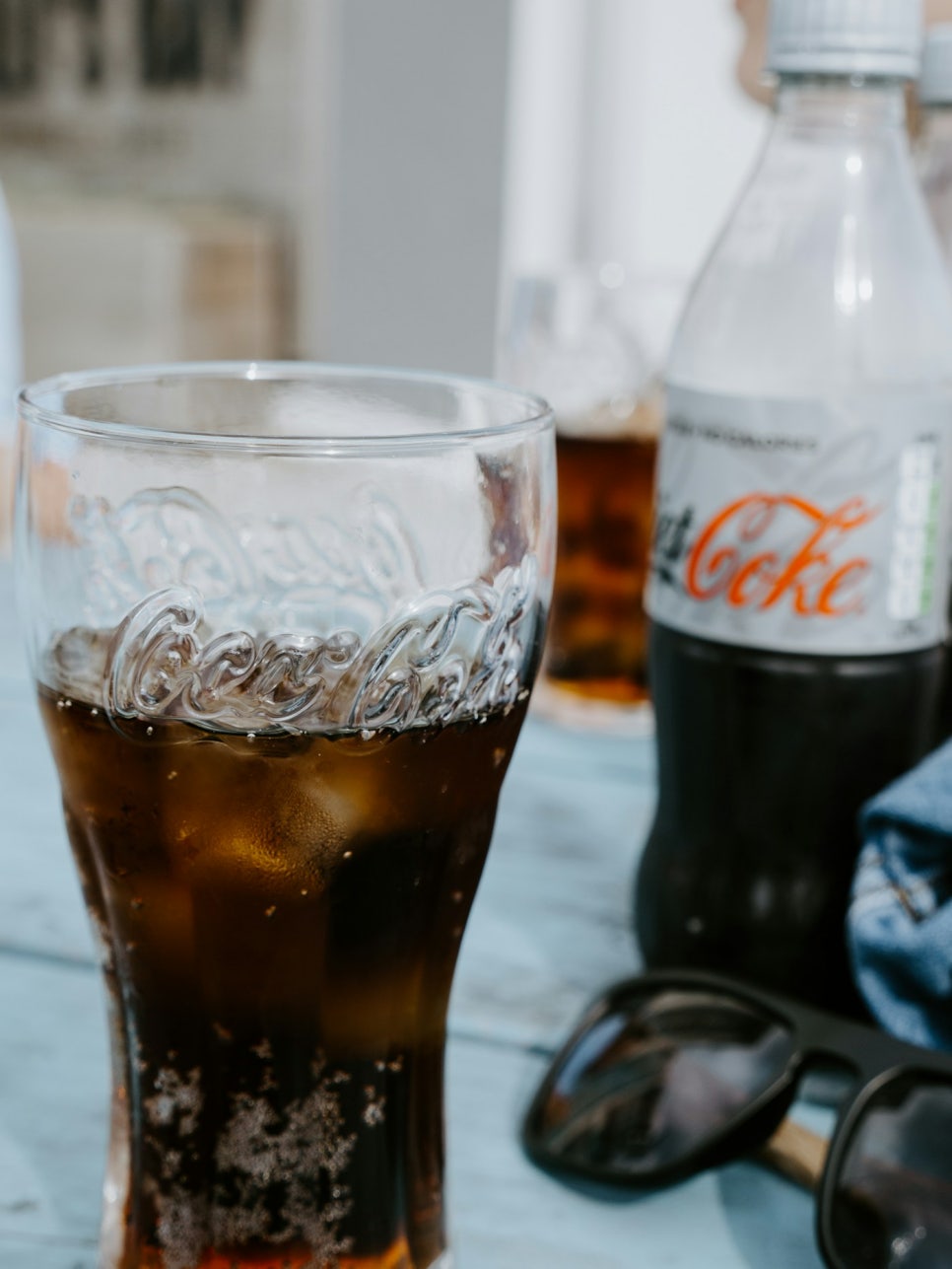
Source: Matt Seymour / Unsplash · Unsplash License · Original photograph.
Do they help with weight loss?
The UK SWITCH trial randomly assigned 493 adults with overweight or obesity to water or beverages with non-nutritive sweeteners. Both groups took part in a weight-management programme covering diet and activity, followed by a maintenance phase, for 52 weeks in total.
Among the 262 participants who completed the 52-week assessment, average weight loss was 6.1 kg in the water group and 7.5 kg in the sweetened-beverage group. These were not kilograms lost simply by drinking a particular beverage. They also reflect the weight-management programme that both groups received. Original study.
My conclusion is that whether zero-sugar drinks themselves make you lose weight needs closer examination. But at least they do not appear to get in the way of a weight-loss programme.

Source: Phước Sang / Unsplash · Unsplash License · Original photograph.
If they have zero calories, why does the weight not fall off dramatically?
Replacing regular soft drinks, which may contain roughly 35–40 g of sugar and around 150 kcal per can, with zero-sugar versions can cut about 150–300 kcal a day if you replace one or two cans. If everything else stays the same, body weight should go down.
One reason the effect may fall short of expectations is compensation, involving both appetite and behaviour.
The tongue detects an intense sweet taste and signals to the brain that energy is on its way. If glucose does not follow, the reward response may not match that expectation. This is one proposed explanation for subsequently wanting refined carbohydrates such as bread, snacks, or noodles.
There is also the psychological side: “I saved calories on the drink, so a few more fries should be fine.” We can make that bargain without noticing.
The issue, then, may not be the zero-sugar drink adding weight directly, but a pattern of making up those calories elsewhere.
Is it true that they can raise blood glucose instead?
A genuinely sugar-free, near-zero-calorie drink on its own generally does not cause the direct glucose rise that a sugary drink does. Sweeteners such as sucralose, aspartame, acesulfame potassium, and allulose do not provide the same glucose load as sugar.
So the familiar sugar-driven “glucose spike” is not what you would normally expect. I have even checked this on my own continuous glucose monitor: mine did not rise.
Why, then, do people feel or report that their blood glucose went up?
First, consider what they ate with the drink. Diet soda often accompanies burgers, pizza, or rich takeaway meals.
There are also studies suggesting that repeated sweetener exposure could affect hormone responses or insulin sensitivity even without an immediate rise in glucose. The question is therefore less about a spike at the instant of drinking and more about possible effects on glucose regulation over time.
What happens to the gut microbiome?
Sweeteners differ considerably in how they are absorbed and eliminated. That makes the ingredient list important.
Sucralose and saccharin: Much of sucralose is not absorbed and reaches the colon; saccharin, by contrast, is largely absorbed and excreted in urine. Research on these sweeteners has raised questions about changes in gut microbes and glucose tolerance. If you have a sensitive gut or irritable-bowel symptoms, pay attention to how you respond.
Aspartame: It is rapidly broken down in the small intestine into components including phenylalanine and aspartic acid, which are absorbed. Very little intact aspartame reaches the colon, so direct exposure of colonic bacteria is much lower.
Allulose and erythritol: Much is absorbed in the small intestine and excreted in urine with little or no metabolism. Although less reaches the colon, larger amounts can draw water into the intestine and cause bloating or diarrhoea.
Stevia, a plant-derived sweetener: Gut microbes break steviol glycosides down into steviol. Its effects should be considered separately from those of other sweeteners, rather than assuming they all behave alike.
Could they be harmful?
The cancer debate around aspartame: IARC, the WHO’s cancer agency, classified aspartame as Group 2B, “possibly carcinogenic to humans.” This describes the evidence for a hazard, not the size of the risk at an ordinary intake. JECFA retained the acceptable daily intake of 40 mg/kg body weight. In WHO’s example, a 70-kg adult would need more than 9–14 cans containing 200–300 mg of aspartame each to exceed that level, assuming no other sources. One or two cans would be well below that example’s limit. People with phenylketonuria must avoid or restrict aspartame according to their medical advice. WHO assessment; FDA guidance.
Cardiovascular questions about sugar alcohols: Recent studies have raised concerns about high erythritol or xylitol levels, platelet activation, and blood-clot risk. The overall question is not yet settled.
Teeth: Removing sugar reduces the substrate that cavity-causing bacteria use to make acid. But phosphoric acid, citric acid, and the acidity of many soft drinks, often around pH 2.5–3.5, can still erode enamel, including in sugar-free versions.
If zero-sugar drinks have drawbacks too, should we just enjoy the sugary version?
Despite concerns about the microbiome and keeping our taste for sweetness alive, I consider zero-sugar drinks a much better choice than drinks loaded with high-fructose corn syrup.
High-fructose corn syrup contains free glucose and fructose. A large intake of sugar-sweetened drinks can deliver a substantial sugar load quickly. Much of the fructose is handled by the liver, where excess intake can promote new fat synthesis and contribute to fatty liver, visceral fat accumulation, and metabolic problems.
I see high-fructose corn syrup in sugary drinks as one of the major dietary contributors to modern metabolic disease. Simply replacing those drinks with zero-sugar versions can meaningfully reduce the sugar burden on the liver and cardiovascular system.
So if giving up soda is difficult, make use of zero-sugar options.
For what it is worth, I drink only zero-sugar cola these days. The flavour keeps improving, and it is now quite enjoyable. I even bought Coca-Cola shares, though that investment is currently in the red.
What is the smartest way to use zero-sugar drinks?
They are not “health drinks” to sip constantly for everyday hydration. I think of them as a temporary ladder out of the deep hole of a sugary-drink habit.
Once the ladder has helped you out, the next step is to put it down.
Gradually retrain a palate accustomed to sweetness. For everyday thirst, plain water or unsweetened sparkling water is the destination I favour for healthy aging.
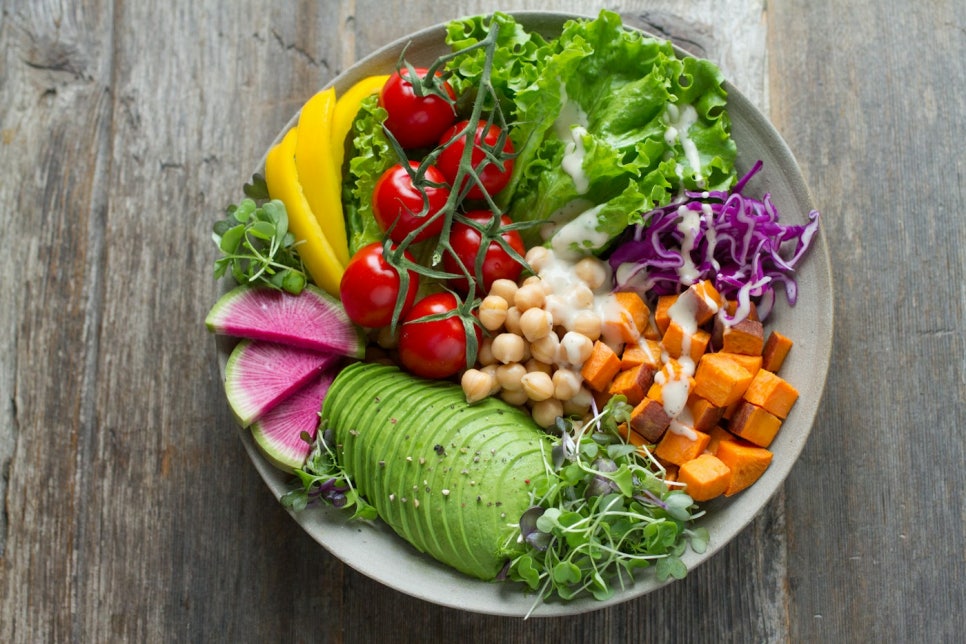
Source: Anna Pelzer / Unsplash · Original photograph · Unsplash License.
Start with what you currently drink, and the choice becomes easier.
If you drink sugary beverages every day, the goal is to reduce them. First consider whether you can switch to water or an unsweetened drink. If you choose a zero-sugar option, check that it really replaces the sugary drink.
When choosing a product, look beyond “zero” on the front and read the nutrition facts and ingredients. Distinguish sugar, calories, and the type of sweetener to see whether what you meant to reduce has actually gone down.
The value of a zero-sugar drink is not determined simply by having consumed it. Consider how much of your previous sugary-drink intake it replaced, and whether that reduction still holds across your overall diet.
References
Harrold JA et al. Non-nutritive sweetened beverages versus water after a 52-week weight management programme. International Journal of Obesity. Published online October 5, 2023; volume 48, 2024. Randomised trial: 493 assigned, 262 completing week 52.
WHO. Use of non-sugar sweeteners: WHO guideline and official summary. 2023. A conditional recommendation concerning weight control, not a replacement for acceptable-intake assessments of individual ingredients.
WHO. Healthy diet. January 26, 2026. Accessed October 23, 2026, in the original article.
#ZeroSugarDrinks #DietCola #Sweeteners #WeightManagement #SugaryDrinks #EatingHabits #ReverseEntropy